What is Generative Engine Optimization and Why It Matters

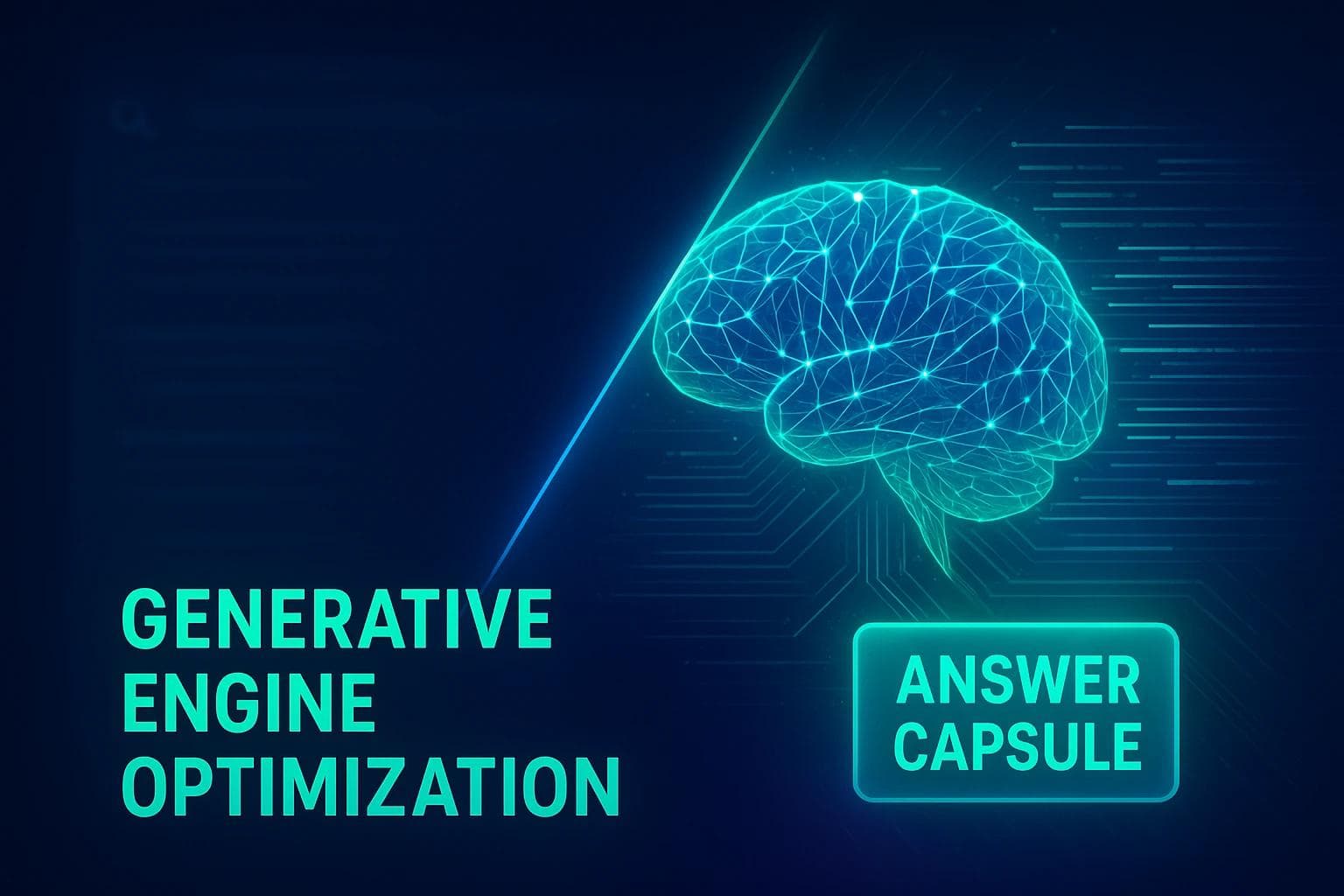
What is Generative Engine Optimization (GEO)? Your Guide to the New Era of Search
You’ve seen it happen. You ask Google a question, and instead of a list of blue links, you get a complete, AI-generated answer right at the top. You ask ChatGPT for recommendations, and it summarizes the best options from across the web.
It feels like magic. But have you ever stopped to ask the most important question for your business: Where did that answer come from?
If your content isn't the source material for these AI-powered summaries, you’re not just missing out on a click—you’re becoming invisible to a growing wave of users. This is the new reality of search, and it demands a new approach: Generative Engine Optimization (GEO).

What Exactly is Generative Engine Optimization?
Let's break this down over a virtual coffee. You’re likely familiar with Search Engine Optimization (SEO), which is all about ranking your webpages in search results. Generative Engine Optimization (GEO) is the next evolution.
GEO is the practice of making your content the most reliable, authoritative, and easily understood source for AI models to use when creating answers.
Think of it this way:
- SEO's Goal: Get a user to click your link.
- GEO's Goal: Become the trusted source cited within the AI's answer.
Instead of just fighting for the #1 spot, you're now competing to become a foundational piece of knowledge that AI assistants like Google's AI Overviews, Perplexity, and ChatGPT rely on. It’s a shift from just being found to being understood and trusted at a machine level. And to achieve this, you need a smart content strategy, which an automated platform like fonzy ai can help create and execute.
The Great Divide: Why Treating Search and AI Separately is a Recipe for Invisibility
Here’s the problem many businesses are facing without even realizing it: they have a "Google strategy" and maybe a separate, vague idea about "AI." This siloed thinking is creating a dangerous visibility gap.
While you're focused on traditional keywords, your potential customers are asking conversational questions to AI assistants and getting instant summaries. If your website isn't optimized for this new behavior, the AI simply won’t see you as a credible source. It will pull information from your competitors who have adapted, citing them and leaving you out of the conversation entirely.
This isn't a distant future problem. Gartner predicts that by 2026, traditional search engine volume will drop by 25% as users shift to AI chatbots and other virtual agents. When a quarter of your potential traffic is going somewhere you aren't, it’s no longer a trend—it’s a fundamental market shift.

The opportunity, however, is immense. By embracing GEO, you prepare your business to capture both high-intent traffic from classic search results and establish your brand as an authority cited directly in AI answers.
The Core Pillars of a Winning GEO Strategy
So, how do you get an AI to trust you? It’s not about stuffing keywords or trying to trick an algorithm. It's about genuinely being the best source of information, presented in a way that both humans and machines can easily digest.
Pillar 1: Build Unshakeable Trust with E-E-A-T
E-E-A-T is a concept from Google that stands for Experience, Expertise, Authoritativeness, and Trustworthiness. It's the foundation of modern SEO and is even more critical for GEO. AI models are designed to find and prioritize content that demonstrates these qualities.
- Experience: Show you've actually done what you're talking about. Use case studies, real-world examples, and first-hand accounts.
- Expertise: Prove you know your subject inside and out. Write comprehensive, fact-dense content that covers a topic from all angles.
- Authoritativeness: Show that others recognize your expertise. This comes from being cited by other reputable websites, earning positive reviews, and being a recognized name in your industry.
- Trustworthiness: Be transparent and reliable. Clearly state who you are, provide sources for your claims, and make it easy for users to contact you.
Building content that consistently hits these marks is crucial. This is where a dedicated system, such as the one offered by fonzy ai, becomes invaluable by ensuring every piece of content aligns with these trust signals.

Pillar 2: Structure Your Content for AI Consumption
An AI doesn't "read" your article like a person does. It breaks it down into chunks of information to find the most direct answer to a user's query. You need to make this process as easy as possible.
Think of it like creating a "fact sheet" within your article.
- Use Clear Headings (H2s, H3s): Guide the AI through the logic of your content.
- Leverage Lists and Tables: Bullet points and tables are incredibly easy for an AI to parse and extract for a summary.
- Create "Answer Capsules": Write short, concise paragraphs that directly answer a common question. Often, the first paragraph of a section is the most important.
This clear, logical structure not only helps AI but also improves the reading experience for your human audience.
Pillar 3: Speak the AI's Language with Technical Foundations
While the content itself is king, a little technical work behind the scenes can make a huge difference. The most important element here is Structured Data (Schema.org).
In simple terms, structured data is like adding labels to your content that explicitly tell the AI what it's looking at. You can label your business address, an author's name, a product's price, or the steps in a recipe. This removes any guesswork for the AI and dramatically increases the chances of your information being used accurately. Implementing this can be complex, but platforms like fonzy ai handle this optimization automatically.
Your GEO Questions, Answered
Getting started with a new concept always brings up questions. Here are answers to some of the most common ones we hear.
What's the main difference between GEO and SEO again?
SEO focuses on ranking a link to your page in a list of search results. GEO focuses on getting your information cited directly within an AI-generated answer. They are related, but GEO requires a deeper focus on clarity, authority, and machine-readability.
Is GEO just a buzzword, or is it here to stay?
It's the new reality. As long as AI assistants are integrated into search engines and other platforms, there will be a need to optimize for them. The principles of GEO—creating high-quality, trustworthy, and well-structured content—are timeless and will only become more important.
Do I need to throw out my entire SEO strategy?
Absolutely not! Think of GEO as an extension of good SEO. The work you do for E-E-A-T, mobile-friendliness, and page speed is still essential. GEO adds another layer, asking you to refine your content's structure and depth to be not just search-engine-friendly, but AI-friendly. A modern content platform like fonzy ai integrates both strategies seamlessly.
From Browser to Cited Source: Your Journey Starts Now
The line between searching for a link and asking for an answer is blurring. Ignoring this shift means risking your online visibility and allowing your competitors to become the voice of authority in your field.
Generative Engine Optimization isn't about learning a new set of tricks. It's about doubling down on what truly matters: creating the best, most helpful, and most trustworthy content in your niche. By focusing on the core pillars of trust, structure, and technical clarity, you can ensure your business isn't just a blue link—it's the answer.
Ready to see how you can automate this entire process? The power of a dedicated fonzy ai solution can transform your content from a manual effort into an engine for consistent, organic growth in this new era of search.
Roald
Founder Fonzy — Obsessed with scaling organic traffic. Writing about the intersection of SEO, AI, and product growth.
Stop writing content.
Start growing traffic.
You just read about the strategy. Now let Fonzy execute it for you. Get 30 SEO-optimized articles published to your site in the next 10 minutes.
No credit card required for demo. Cancel anytime.
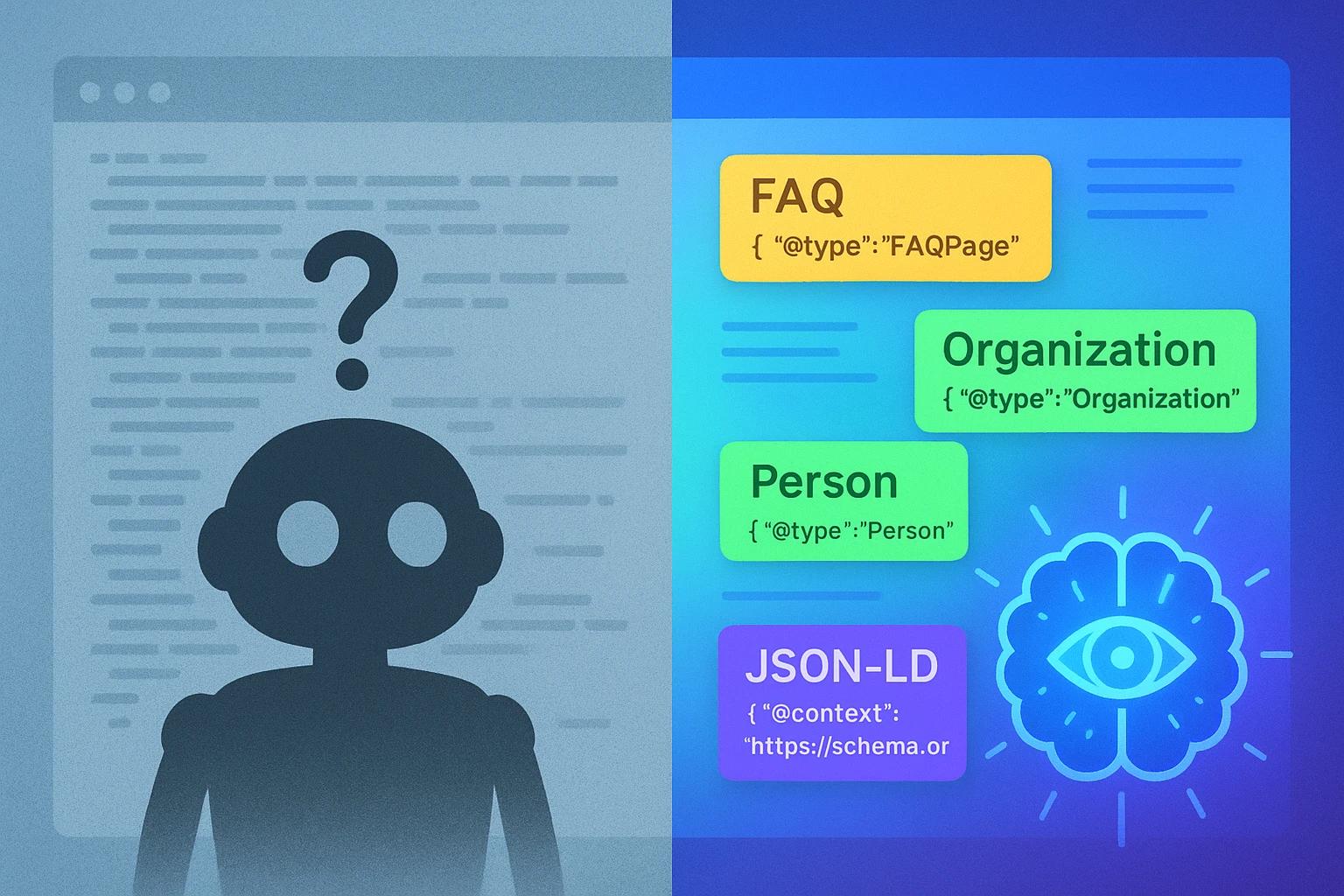
How Schema and FAQ Markup Help AI Understand Your Content
Learn how schema markup and FAQ help AI read your content clearly without needing developer skills.
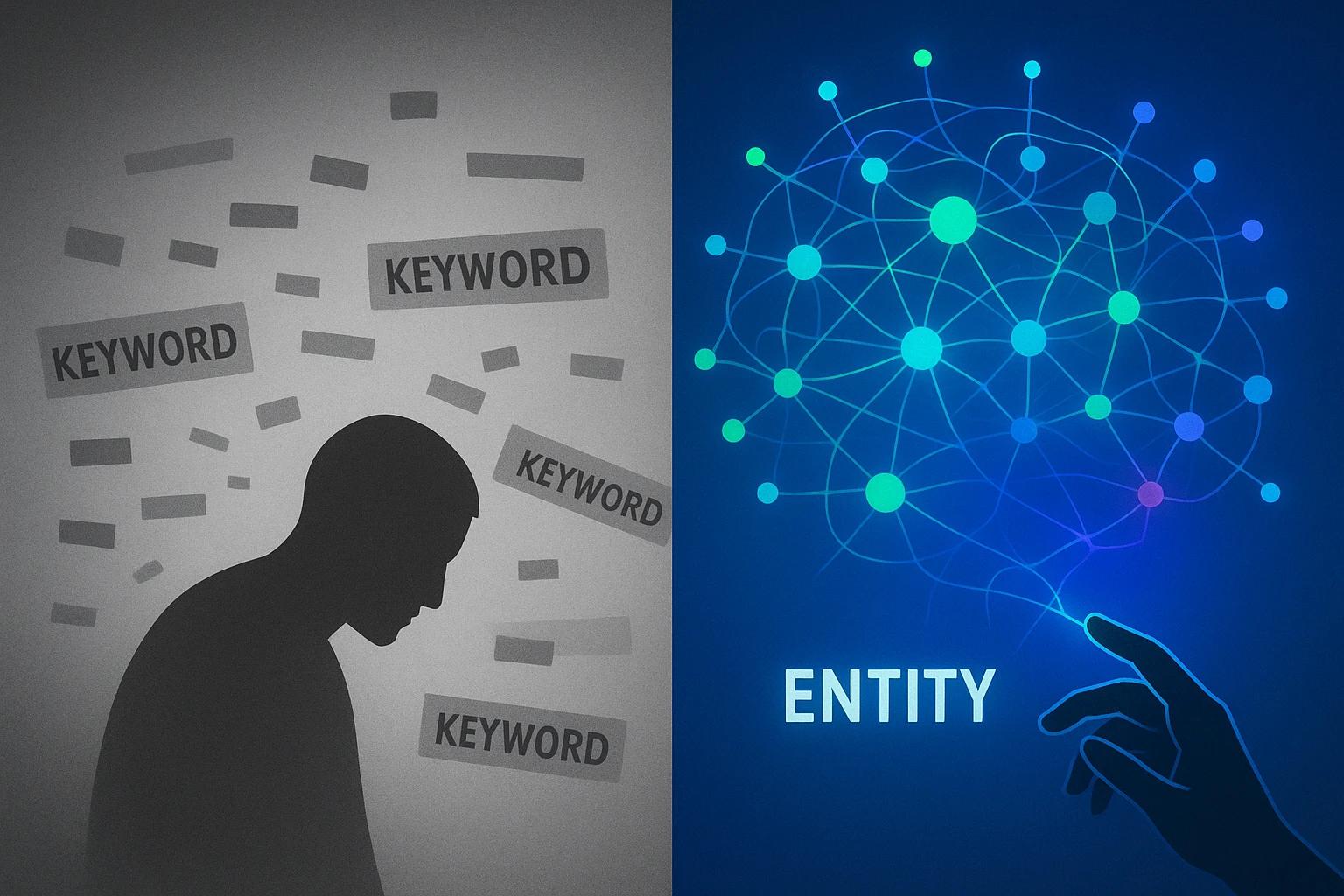
Building topical authority that AI and search engines trust
Learn how to shift from keywords to entities and build the expertise AI and search engines recognize and trust.
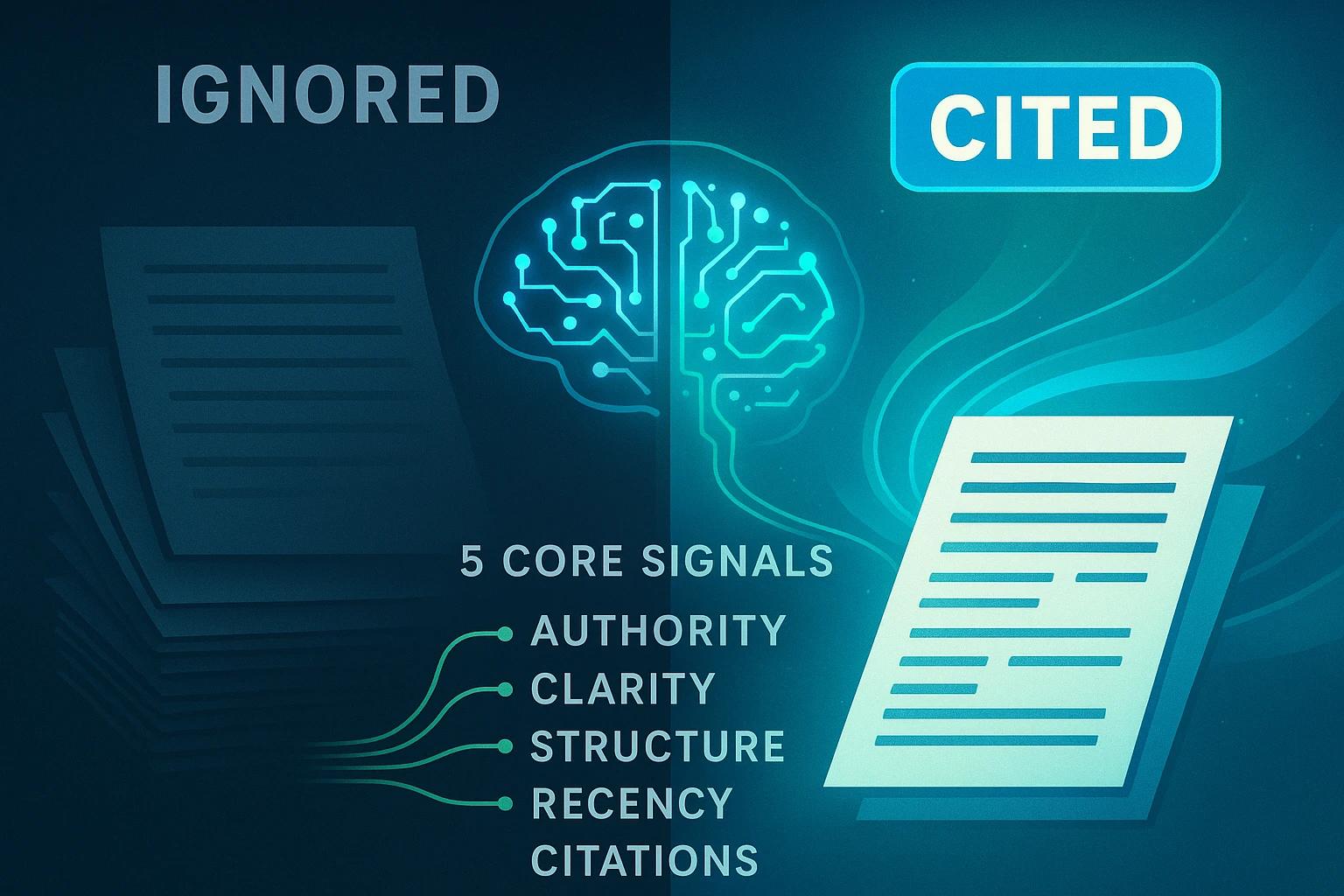
How AI Answer Engines Choose What to Cite
Discover the key signals and heuristics AI uses to decide which sources to cite in their answers.