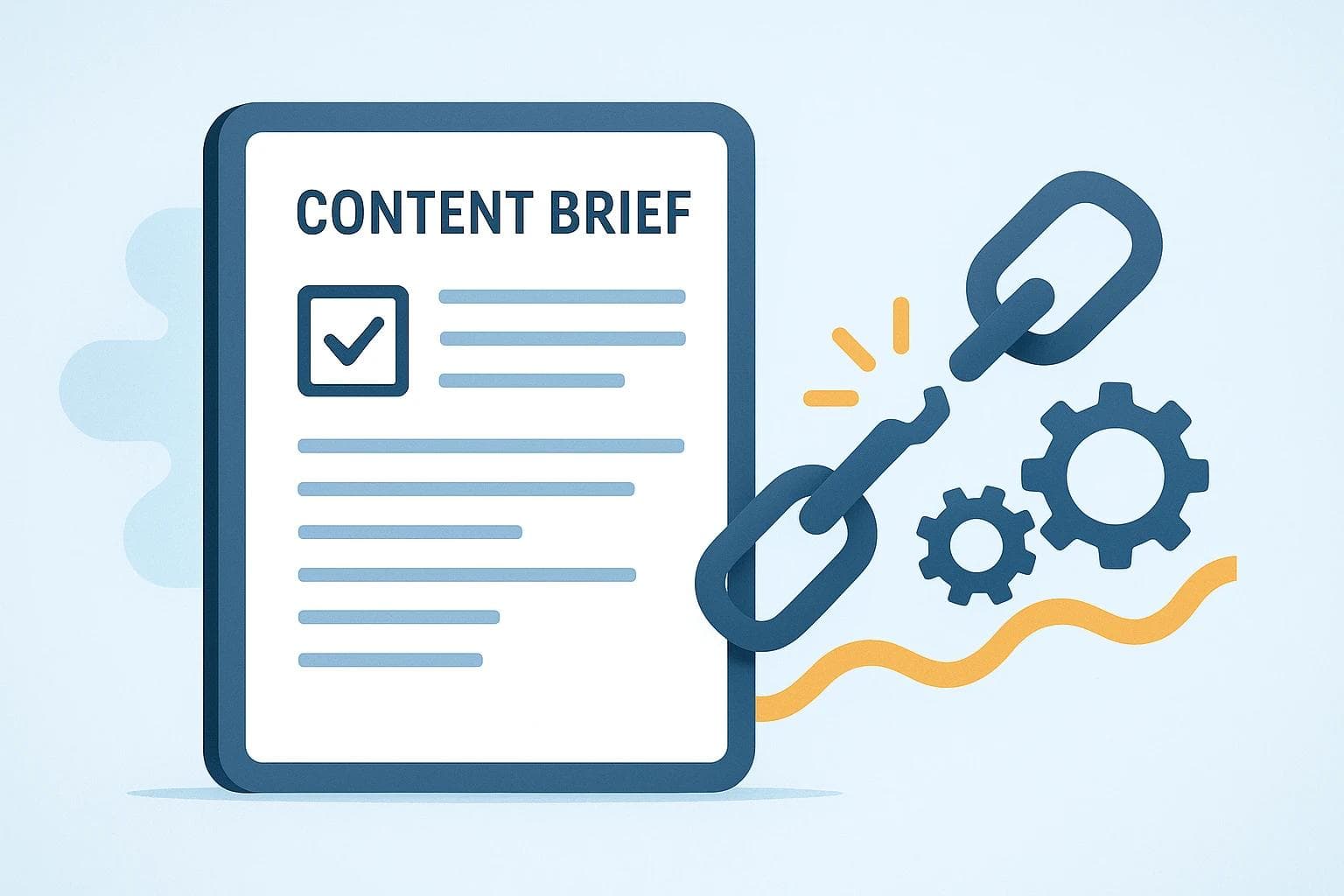
What Makes a Good Content Brief? A Marketer’s Checklist to Unblock Writers
You’ve been there before. The first draft of an article lands in your inbox, and your heart sinks. It’s well-written, sure, but it completely misses the point. The tone is off, it overlooks a critical data point, and the core message is buried under a mountain of fluff.
Now begins the painful cycle of feedback, rewrites, and missed deadlines. What started as an exciting idea has become a frustrating bottleneck.
The silent culprit in this all-too-common story? A weak content brief.
A great content brief is more than just a document; it’s the strategic blueprint for success. It’s the single source of truth that aligns your vision with your writer’s execution, transforming ambiguity into clarity and preventing costly rework before a single word is written. It’s the ultimate unblocker.

The Anatomy of a Brief That Actually Works
At its core, a content brief is a set of instructions given to a writer to guide the creation of a piece of content. But a great brief is a conversation starter. It provides guardrails, not a cage, giving writers the strategic direction they need while leaving room for their creative expertise to shine.
Think of it like building a house. You wouldn't just tell an architect to "build a nice house." You'd provide a blueprint detailing the number of rooms, the style, the layout, and the core function of each space. The brief is your content’s blueprint.
The Four Pillars of an Unblocking Content Brief
To move from a vague request to a powerful blueprint, your brief needs to be built on four essential pillars. Getting these right is the difference between content that connects and content that just consumes budget.
1. The 'Why': Search Intent & Core Objective
Before anything else, you must define success. Why does this piece of content need to exist? Don't just list a target keyword; explain the human need behind it.
- Search Intent: What is the user really looking for when they type their query into Google?Informational: They want to learn something ("what is a content brief?").
- Commercial: They are researching before a potential purchase ("best content brief tools").
- Transactional: They are ready to buy or act ("content brief template download").
Core Objective: What is the one thing you want the reader to think, feel, or do after reading this piece? Is it to sign up for a newsletter, understand a complex topic, or feel confident in your brand's expertise? A single, clear goal prevents the content from trying to be everything to everyone and ending up as nothing to anyone.
2. The 'Who': A Crystal-Clear Audience Profile
"Marketers" is not an audience profile. It's a demographic. A great brief dives deeper into the psychographics—the human element.
- Pain Points: What problem keeps your reader up at night? What are their biggest frustrations related to this topic?
- Current Knowledge: Are they a complete beginner or a seasoned expert? Your brief should specify the starting point so the writer doesn't talk over their head or bore them with basics.
- Desired Transformation: Where is the reader now, and where do they want to be after consuming your content? A great brief helps the writer build that bridge.
For example, instead of "Targeting SMEs," try "Targeting small business owners who are overwhelmed by marketing and need a simple, actionable way to improve their SEO without hiring an expert."
3. The 'What': Structure, Angle, and Key Talking Points
This is where you provide the skeleton of the article. It’s one of the most effective ways to prevent scope creep and ensure the final piece flows logically.
- Proposed Outline: Provide a suggested list of H2s and H3s. This ensures all critical subtopics are covered and gives the writer a clear roadmap.
- Unique Angle: What’s our unique take? Are we debunking a myth, providing a step-by-step guide based on proprietary data, or telling a compelling case study? This is crucial for standing out in a sea of look-alike content.
- Essential Resources: Include links to internal data, key studies, expert quotes, or must-see competitor articles. This saves the writer hours of research and ensures the piece is credible and well-supported.
4. The 'How': Tone, Style, and Non-Negotiables
This pillar defines the personality of the piece and sets clear expectations for the final deliverable.
- Tone of Voice: Don't just say "friendly." Be specific. "Write like a knowledgeable mentor explaining a concept over coffee—be encouraging, clear, and avoid overly technical jargon."
- Call to Action (CTA): What is the primary next step? What about a secondary one? Be explicit about what you want the reader to do.
- Mandatory Inclusions: List any required internal links, partner mentions, legal disclaimers, or specific phrases that must appear in the text.
Where Good Briefs Go Bad: Common Mistakes and How to Fix Them
Even with the best intentions, briefs can fail. The most common mistakes stem from a lack of clarity, creating friction for the writer. As research from sources like QuickTop10 highlights, vague keywords and insufficient audience analysis are frequent culprits.
Here are the top briefing blunders and how to turn them into writer-unblocking strengths.

The Future is Here: Enhancing Briefs with Smart Automation
The biggest challenge in creating a truly great brief is the time it takes to do the deep research required for the 'Why' and 'What' pillars. Analyzing SERPs, identifying question-based keywords, and mapping out competitor structures is manual, tedious work.
This is precisely where automation shines, not as a replacement for human strategy, but as a powerful enhancer.
By leveraging AI, marketers can automate the heavy lifting of data analysis. Platforms designed for this can instantly analyze top-ranking content, pull out common themes and subtopics, identify relevant questions people are asking online, and suggest an optimized structure. Many marketers are turning to platforms like Fonzy AI to automate these tedious parts of content planning.
This frees up the strategist to focus on what truly matters:
- Crafting the unique brand angle.
- Infusing the brief with deep audience empathy.
- Defining the core strategic objective.
Automation handles the science, so you can master the art.
Your Ultimate Content Brief Checklist
Use this checklist to audit your next brief. If you can confidently check off every box, you’re not just sending instructions—you’re setting your writer, and your content, up for success.
Pillar 1: The 'Why' (Objective & Intent)
- [ ] Primary keyword is defined.
- [ ] Secondary keywords/related terms are listed.
- [ ] Search intent (Informational, Commercial, etc.) is clearly identified.
- [ ] The single, primary goal of the article is stated in one sentence.
Pillar 2: The 'Who' (Audience)
- [ ] Target reader is described with pain points and goals.
- [ ] Assumed level of knowledge (Beginner, Intermediate, Expert) is specified.
- [ ] What the reader should learn or be able to do after reading is clear.
Pillar 3: The 'What' (Structure & Angle)
- [ ] A unique angle or perspective is provided.
- [ ] A suggested title/headline is included.
- [ ] A logical outline with H2s and H3s is provided.
- [ ] Key data points, stats, or internal sources are linked.
- [ ] Examples of top-ranking competitor articles are included for context.
Pillar 4: The 'How' (Style & Logistics)
- [ ] Tone of voice is described with specific examples.
- [ ] Target word count range is given.
- [ ] Primary and secondary CTAs are explicitly written out.
- [ ] Required internal links are listed.
- [ ] Any "do's and don'ts" (e.g., words to avoid, formatting notes) are included.

Conclusion: From Blocker to Unblocker
A content brief is the most powerful tool you have to improve content quality and streamline your production workflow. By shifting your mindset from seeing it as a simple task list to treating it as a strategic blueprint, you empower your writers to do their best work.
A great brief eliminates guesswork, reduces friction, and ensures that the content you envisioned is the content that gets created. It’s not about controlling the writer—it's about providing the clarity they need to create, innovate, and connect with your audience on a deeper level.
Frequently Asked Questions (FAQ)
What's the difference between a content brief and a creative brief?
A creative brief is typically used in advertising for broader campaigns that might include visuals, slogans, and multiple media formats. A content brief, as noted by resources like Content Harmony, is specifically focused on a single piece of content, like a blog post or landing page, with a strong emphasis on SEO, structure, and editorial guidelines.
How long should a content brief be?
There's no magic number. The goal is clarity, not length. A brief should be comprehensive enough to answer a writer's questions before they have to ask them, but concise enough to be easily digestible. Typically, this falls between one and three pages. The key is to avoid both excessive detail and unhelpful vagueness.
Who should be responsible for writing the content brief?
The person with the clearest understanding of the content strategy and the audience should create the brief. This is usually a Content Strategist, Content Manager, or an SEO Specialist. The most important thing is that they have the strategic insight to connect the piece of content to broader business goals.
How can I ensure my writer actually reads and follows the brief?
Treat the brief as the start of a conversation. Before they begin writing, have a quick kickoff call or discussion to walk through the brief and answer any initial questions. This ensures alignment and makes the writer feel like a collaborative partner rather than just an order-taker. When a writer understands the "why" behind the content, they are far more invested in following the "what" and "how."

Roald
Founder Fonzy — Obsessed with scaling organic traffic. Writing about the intersection of SEO, AI, and product growth.
Stop writing content.
Start growing traffic.
You just read about the strategy. Now let Fonzy execute it for you. Get 30 SEO-optimized articles published to your site in the next 10 minutes.
No credit card required for demo. Cancel anytime.

Practical Internal Linking Systems for Small Teams
Learn simple internal linking strategies that small teams can easily use to boost SEO and connect content effectively.
Calculate the True Cost of Slow Content Production
Discover how delays in content creation lead to lost traffic, leads, and revenue with a simple calculation framework.
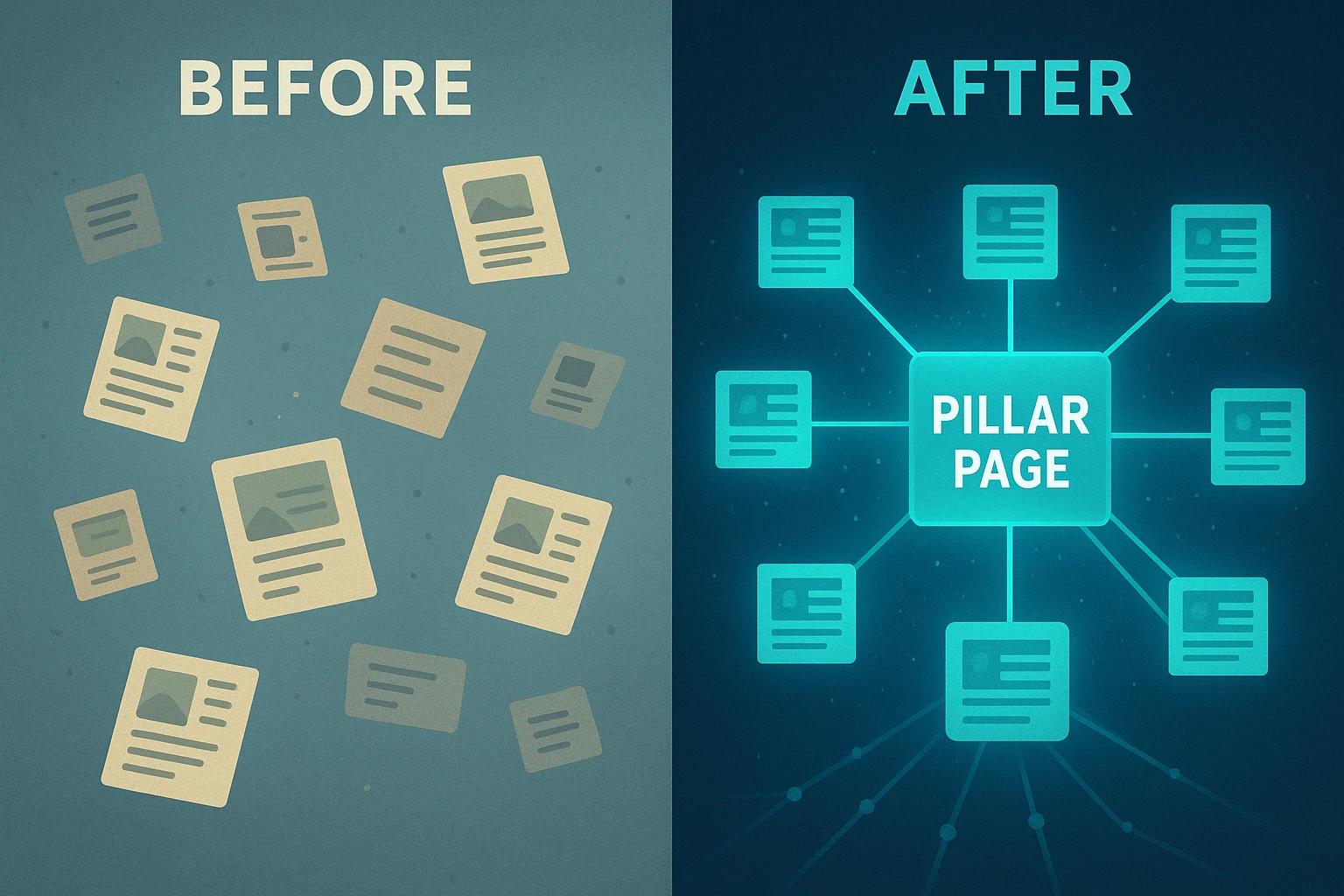
How to Build Topic Hubs Using Your Existing Content
Learn how to organize your current articles into topic hubs for better SEO without creating new content or hiring writers.