Measuring Metrics That Predict AI Visibility Before Content Updates


Measuring Pre-Optimization Signals: What Metrics Predict AI Visibility Before You Tweak Content
You’ve done everything right. You’ve targeted the right keywords, built a solid backlink profile, and published content consistently. Yet, your traffic has hit a plateau. Meanwhile, you see AI Overviews and chatbot answers popping up everywhere in search results, often summarizing information from sites just like yours—or worse, from your competitors.
It feels like the rules of the game changed overnight, and you’re still playing with the old playbook.
Here’s the good news: the clues to succeeding in this new era of AI search are likely already sitting in your analytics. Before you overhaul your entire content strategy, you can perform a simple "health check" to see how ready your content is for AI visibility. Think of it as checking your vitals before starting a new fitness plan. These low-effort checks can predict your potential for success and show you exactly where to focus your efforts for the biggest impact.

First, What Exactly is AI Visibility?
Let’s clear this up right away. For years, we’ve been obsessed with "SEO visibility"—essentially, how high you rank on a list of blue links. AI visibility is different.
AI Visibility is your content's presence within generative AI answers. It’s not about being rank #1; it’s about being the source the AI trusts to formulate its answer. This includes being cited in an AI Overview, mentioned as an authority, or used to build a recommendation list.
While traditional SEO focused on getting a user to click, AI search often aims to answer the query directly, creating a "zero-click" reality. Your goal is to become the trusted, authoritative voice that AI platforms rely on. The shift is from ranking to being recognized as a definitive source.
The 4 Pre-Optimization Signals Hiding in Your Analytics
Before you start overhauling content, let’s diagnose its current "AI readiness." You can uncover powerful predictive signals using the tools you already have, like Google Search Console and Google Analytics. These signals tell you which pieces of your content are already speaking the language AI understands.

### Signal #1: Your SERP Feature Wins
Have you ever noticed your content appearing in a special box at the top of Google? These are called SERP (Search Engine Results Page) features, and they are a goldmine of information.
What to look for:
- Featured Snippets: The answer boxes that appear at the top of the results.
- People Also Ask (PAA): The dropdown questions that appear within the search results.
Why it matters: Winning these features is a powerful signal that Google already views your content as a concise, direct, and authoritative answer to a specific question. AI models love this kind of content. It’s structured, clear, and easy to parse. If you're already winning snippets, you've already proven your content is "AI-friendly" without even trying.
How to check (low-effort): Go to your Google Search Console performance report. Filter by queries where your content appears and look for high impression counts in the Featured Snippet or PAA sections. The pages winning these are your top candidates for AI visibility.
### Signal #2: Traffic to Concise, Definitional Content
Think about the simplest, most direct questions your audience asks. These are often "what is" or "how to" queries. Content that effectively answers these questions is exactly what AI is looking for.
What to look for:
- Pages on your site with titles like "What is [Concept]?" or "How to [Perform a Task]?"
- High organic traffic to these pages from very specific, long-tail queries.
Why it matters: An AI's primary job is to provide clear, accurate definitions and instructions. If users are already finding and staying on your page for these types of answers, it tells you the content is high-quality and directly addresses user intent. This demonstrates a core principle of modern SEO: creating a data-driven content strategy that aligns perfectly with what both users and AI models want.
How to check (low-effort): In Google Analytics 4 or Google Search Console, look at your top-performing landing pages. Do you see definitional pages ranking high? Dig into the search queries leading to them. If you see queries like "define lead scoring" or "how to brew cold brew," you've found content that is ripe for AI summarization.
### Signal #3: Backlink Patterns That Signal Trust and Authority
In the past, SEO was often a numbers game with backlinks—the more, the better. For AI, the game has shifted dramatically to quality and context. It’s not about how many sites link to you, but who is linking to you and why.
What to look for:
- Links from highly authoritative and topically relevant sources (e.g., academic institutions, respected industry publications, well-known expert blogs).
- Links where your brand or content is mentioned as a citation or source for a fact.
Why it matters: AI models are trained to recognize signals of expertise, authoritativeness, and trustworthiness (E-E-A-T). A backlink from a university study or a leading industry report is a massive vote of confidence. It tells the AI that your content isn't just an opinion; it's a credible source that other experts rely on. This is far more powerful than a hundred links from low-quality directories.
How to check (low-effort): Use a free backlink checker tool or the "Links" report in Google Search Console. Instead of just counting the links, scan the list of linking domains. Are they names you recognize as leaders in your field? This quick qualitative check gives you a strong sense of your content's perceived authority.
### Signal #4: A Strong Internal Linking Structure
How you link between the pages on your own website tells AI models a story about your expertise. A smart internal linking structure does more than just help users navigate; it builds a web of knowledge that establishes your topical authority.
What to look for:
- Content that is organized into logical clusters, with a main "pillar" page linking out to more detailed "cluster" pages.
- Descriptive anchor text that clearly states what the linked page is about (e.g., linking to a page with the text "our guide to AI content creation" instead of "click here").
Why it matters: When an AI sees that you have a comprehensive page on "Content Marketing" that links out to detailed guides on SEO, email marketing, and social media, it understands that you have deep expertise on the entire topic. This helps the AI recognize your brand as a key "entity" or authority in that space, making it more likely to cite your content. A solid SEO optimization plan should always include a thoughtful internal linking strategy.
How to check (low-effort): Manually review one of your most important pieces of content. Does it link to other relevant, helpful articles on your site? Are those links clearly labeled? If a user (or an AI) can easily navigate from a broad topic to a specific sub-topic on your site, you’re sending strong signals of topical authority.
Your Pre-Optimization Action Plan & Checklist
Feeling overwhelmed? Don't be. The goal here isn't to get a perfect score but to get a quick diagnosis. Use this checklist to see where you stand.

Your 15-Minute AI Readiness Check:
Check SERP Features (5 minutes):
By spending just a few minutes on this diagnosis, you'll move from feeling uncertain to having a clear, prioritized list of content that has the highest potential to win in the age of AI.
Frequently Asked Questions (FAQ)
### What is AI visibility again?
AI visibility is when your content is used, cited, or recommended by generative AI search tools like Google's AI Overviews or chatbots. It's less about your ranking on a page and more about being the trusted source for the AI's answer.
### How is this different from traditional SEO?
Traditional SEO focuses on ranking high in the list of blue links to earn a click. AI visibility focuses on having your content be so clear, authoritative, and well-structured that an AI uses it to construct an answer directly in the results, whether you get a click or not. The goal is brand presence and authority within the answer itself.
### What’s the very first thing I should check?
Start with your SERP feature wins in Google Search Console. It's the fastest and clearest indicator that your content is already structured in a way that Google's systems (including its AI) find valuable for providing direct answers.
### Do I need expensive new tools for this?
Absolutely not. The beauty of this pre-optimization check is that you can get powerful insights using free, standard tools like Google Search Console and Google Analytics 4. The key is knowing how to look at your existing data through this new "AI readiness" lens.
Your Next Step: From Diagnosis to Action
Understanding your pre-optimization signals is the crucial first step. You've now diagnosed your content's readiness for the AI era, identified your strongest assets, and pinpointed areas for improvement. You're no longer guessing; you're operating from a position of knowledge.
The next phase is to take these insights and begin strategically automating your content creation and optimization efforts. By focusing on the content that already shows predictive success signals, you can work smarter, not harder, to solidify your position as the go-to authority in your niche—for both humans and AI.
Roald
Founder Fonzy — Obsessed with scaling organic traffic. Writing about the intersection of SEO, AI, and product growth.
Stop writing content.
Start growing traffic.
You just read about the strategy. Now let Fonzy execute it for you. Get 30 SEO-optimized articles published to your site in the next 10 minutes.
No credit card required for demo. Cancel anytime.
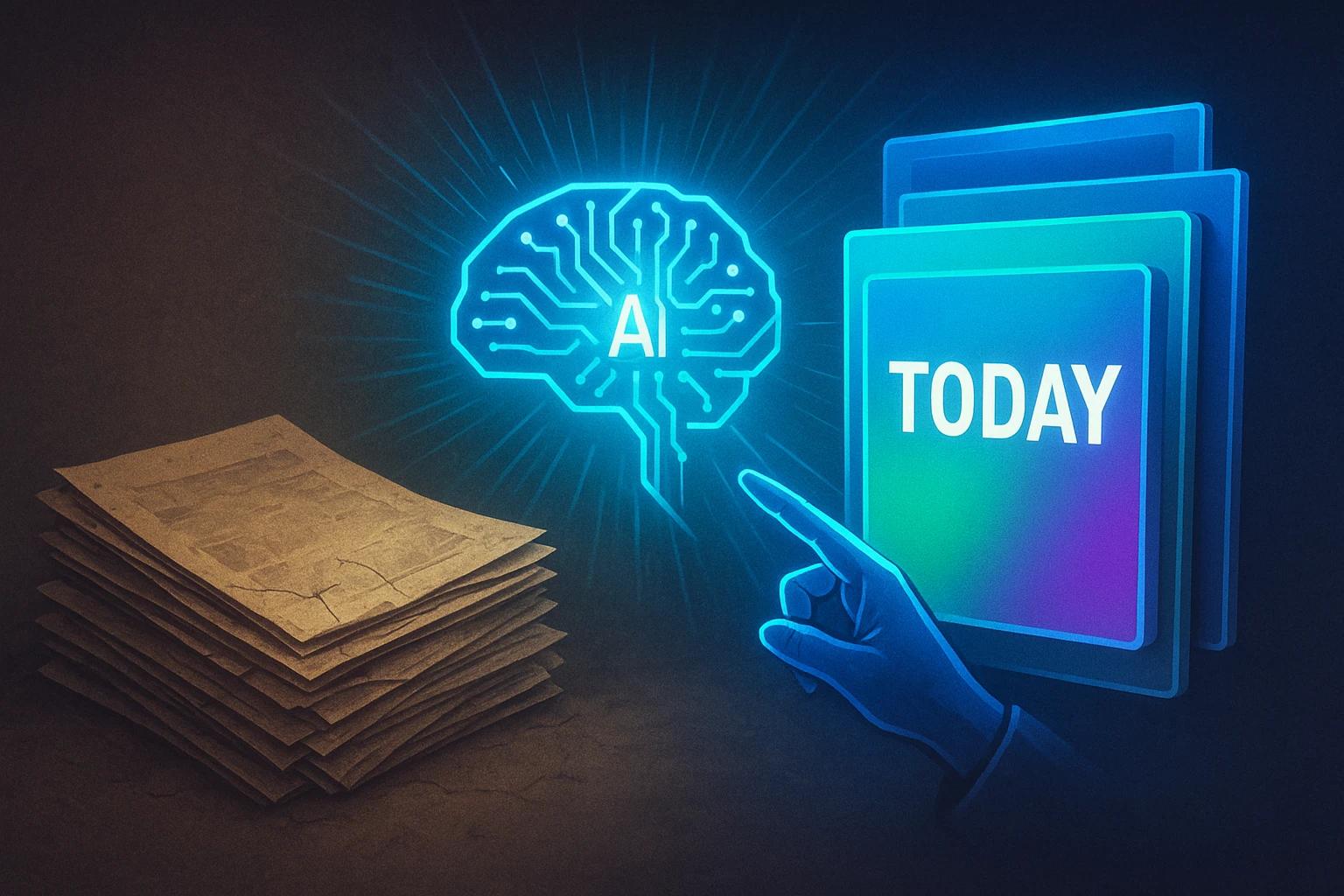
Content freshness and update cadence for AI answer selection
Discover how content recency and update frequency impact AI answer rankings and why freshness is crucial for visibility.
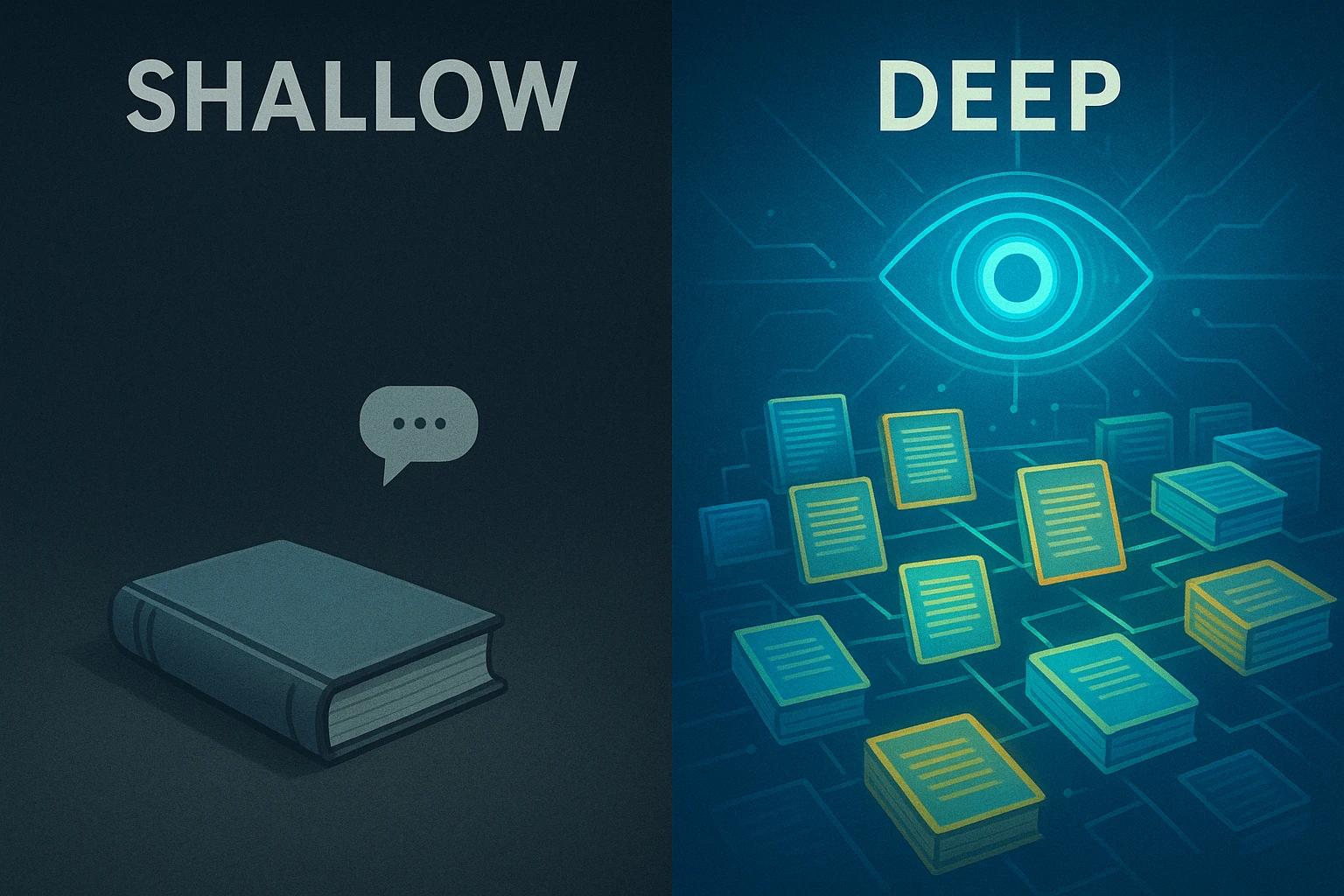
Topical Depth Versus Shallow Pages for Better AI Answers
Learn why deep, comprehensive content improves your chances of being featured in AI-generated answers and how to build strong content clusters.
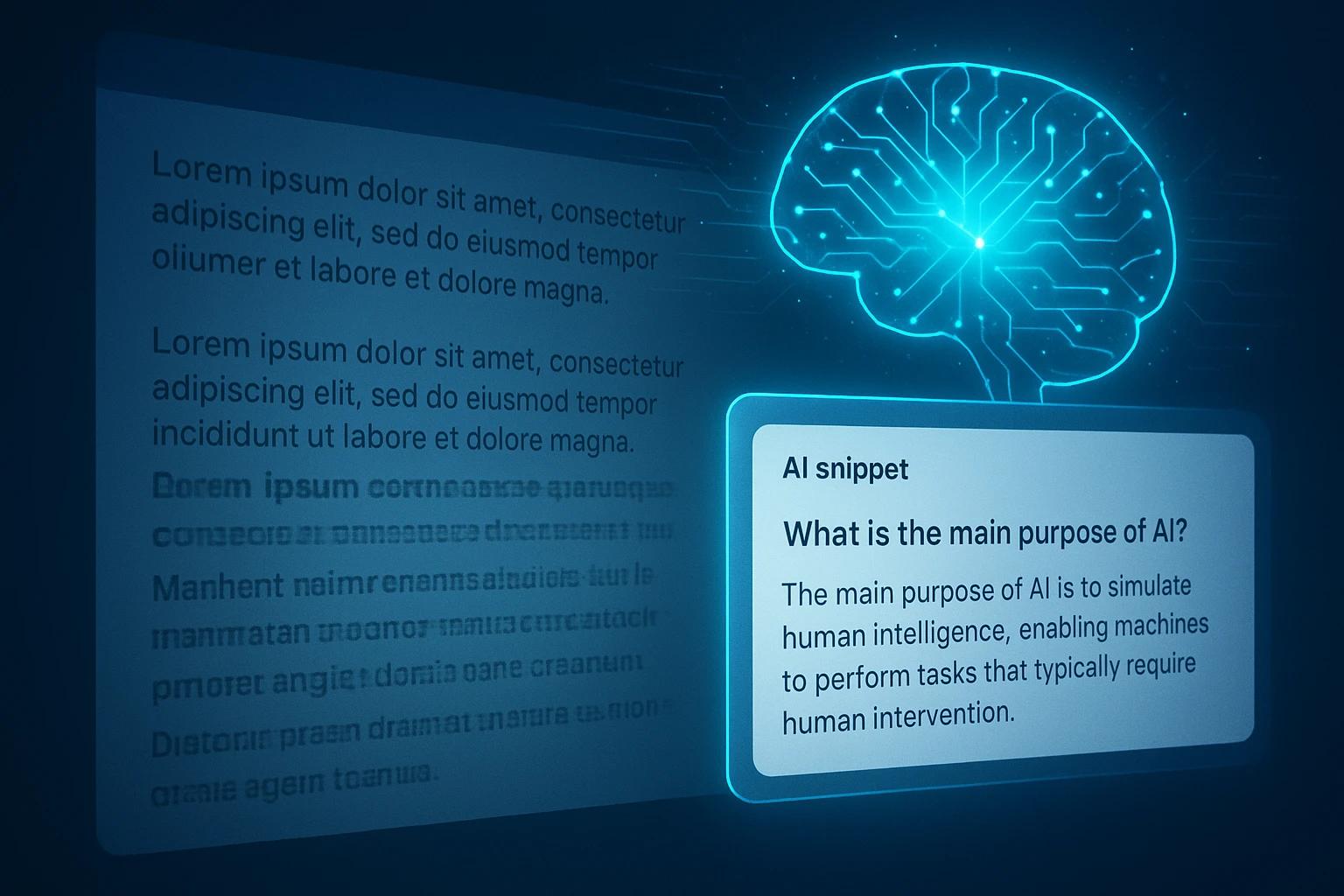
How to Write Content That AI Understands and Uses
Learn to structure paragraphs and Q&A blocks for AI to extract clear answers and boost your content visibility.