
AI SEO for Coaches and Consultants: A Strategic Briefing
You’re an expert in transformation, but how do you get found by the clients who need you most? This is the fundamental tension every coach and consultant faces. Every hour spent wrestling with blog posts, social media updates, and SEO is an hour not spent on billable client work—the work that actually drives your revenue and impact.
You know you need to be visible. But the path to consistent, authoritative content often feels like a second full-time job.
This briefing is for you. It’s a clear-eyed look at the new landscape of search, driven by AI, and provides a strategic framework for using it to your advantage. We’ll move beyond the buzzwords to give you the clarity needed to evaluate your options and make the right decision for growing your practice without sacrificing your time.
The New Rules of Visibility: Why Your Expertise is Becoming Invisible
The way potential clients find experts is undergoing a radical shift. The familiar Google search results page is being replaced by direct, conversational answers powered by AI. For many coaches, this has meant search impressions are up, but qualified appointments from their website are down, a trend noted by experts at Studio for Digital Growth. Why? Because the AI is answering questions directly, reducing clicks to websites.
The data paints a clear picture of this new reality:
- AI is the new front door: Over 40% of users are now starting their search not on Google.com, but with AI engines like ChatGPT, Gemini, and Perplexity.
- The search engine is evolving: Google is actively testing an AI-only search engine, signaling a permanent move away from the traditional list of blue links.
For a practice built on expertise, this isn't a threat; it's an opportunity. The game is no longer about tricking an algorithm with keywords. It’s about becoming a trusted source that AI models cite as the definitive answer.
Deconstructing AI-First Ranking: What Actually Matters Now
To become a trusted source, you need to understand what AI search engines value. It’s simpler and more intuitive than you think, boiling down to three core concepts.
1. Entity Recognition: Does AI know who you are?
An "entity" is simply a thing the internet knows about—a person, a company, a concept. AI-first SEO is about establishing yourself as a recognized entity in your specific niche (e.g., "executive coach for tech founders"). The more AI can connect your name to your area of expertise across different platforms—your website, LinkedIn, podcast interviews, guest articles—the more it understands your authority.
2. Contextual Authority: Are you part of the conversation?
Old SEO was obsessed with backlinks. The new model is about your presence in the right conversations online. It’s about being mentioned and featured in places that already have authority. According to research cited by Moz, authority signals now outweigh backlinks for 60% of AI results. This means an interview on a respected industry podcast can be more valuable than dozens of low-quality links. AI is looking for proof that your expertise is recognized by others.
3. User Intent Alignment: Do you answer the real question?
Potential clients don't search for "leadership coaching services." They ask AI assistants specific questions like, "How do I handle a difficult conversation with an underperforming team member?" The coaches who win are the ones who create content that directly and thoroughly answers these real-world questions. It's about empathy at scale—understanding your client's deepest challenges and providing clear, actionable answers where they are looking for them.
The Coach's AI SEO Toolkit: Evaluating Your Options
Navigating the sea of AI tools can be overwhelming. Most coaches don't need a dozen different subscriptions; they need a streamlined system that solves their core problems of time scarcity and content consistency. When evaluating tools, focus on the factors that directly impact a solo practitioner's workflow.
To cut through the noise, here's a framework for comparing tools based on what truly matters to a coach or consultant:

The key takeaway is this: the best solution isn't just a content writer. It's an integrated engine that connects strategy, creation, publishing, and optimization. While you can piece this workflow together with multiple tools, a unified platform like fonzy ai automates this entire process, turning a complex marketing task into a background utility that works for you.
Building Verifiable Trust in an AI-Powered World
A common and valid concern for coaches is losing their authentic voice. Your personal brand is built on trust and human connection. How do you use AI without sounding robotic?
The answer lies in reframing AI’s role. It’s not your replacement; it’s your strategic assistant and first-draft writer. The most successful coaches use a hybrid model that combines AI's efficiency with their irreplaceable human expertise.

Use AI to:
- Brainstorm topics based on your ideal client's pain points.
- Structure your articles and create logical outlines.
- Draft initial content that covers the core concepts.
Then, you step in to:
- Infuse your unique voice, stories, and case studies.
- Add your proprietary frameworks and perspectives.
- Fact-check and refine to ensure the highest quality.
This approach preserves your authenticity while solving the production bottleneck, allowing you to show up consistently with high-value insights.
Measuring What Matters: From Clicks to Clients
In the age of AI search, traditional SEO metrics like keyword rankings and website clicks are becoming less relevant. You can have a massive spike in impressions but see no increase in qualified leads. It’s time to focus on metrics that directly correlate with business growth for a coaching practice.
Instead of getting lost in vanity metrics, focus on an ROI dashboard that connects your content efforts directly to client acquisition and time savings.

Track these three core indicators:
- Time Reclaimed: How many hours per month are you saving on content creation that can now be used for billable work or business development?
- Qualified Inquiries: How many prospects mention finding you through your content when they reach out?
- Authority Signals: Are you being featured in AI-powered summaries (like Google's AI Overviews) for key topics in your niche?
Your 90-Day Plan: From Invisible Expert to In-Demand Authority
Getting started doesn't have to be overwhelming. By focusing your effort, you can build significant momentum in a single quarter. Here’s a prioritized roadmap designed for busy practitioners.

- Phase 1: Foundation (Days 1-30): Define your core topics and set up an automated system for content planning and creation. The goal is to establish your content engine.
- Phase 2: Consistency (Days 31-60): Begin publishing high-quality, optimized content on a regular schedule. Start repurposing your core articles for platforms like LinkedIn to broaden your reach.
- Phase 3: Authority (Days 61-90): Analyze what content is resonating most and double down. Actively seek opportunities like podcast interviews and guest posts to build your contextual authority across the web.
The key to this plan is automation. An AI-driven platform handles the heavy lifting of creation and publishing, allowing you to focus on the high-level strategy and client-facing activities that grow your business.
Frequently Asked Questions
Will using AI for SEO get my site penalized by Google?
No. Google's official stance is that it rewards high-quality content, regardless of how it's produced. The focus is on creating content that is helpful, reliable, and people-first. AI is simply a tool to help you create that content more efficiently. Low-quality, spammy content will be penalized, whether written by a human or AI.
How can I use AI without losing my personal brand?
Use AI as your first-draft writer, not your final voice. The best practice is to provide the AI with your unique frameworks, client stories, and tone of voice, then heavily edit the output to ensure it reflects your expertise and personality. It’s about amplification, not replacement.
I'm not a tech person. Isn't this all too complicated?
It can be if you're trying to stitch together multiple complex tools. This is precisely the problem integrated platforms solve. A solution like Fonzy.ai is designed to handle the technical complexity of SEO and content scheduling for you. You approve the strategy, and the platform executes, allowing you to focus on your clients.
How long does it take to see results from AI SEO?
You will see immediate results in content production efficiency and time saved. Building true search authority is a long-term strategy, but with a consistent publishing schedule powered by AI, you can expect to see leading indicators like increased search impressions within the first 90 days. Meaningful growth in qualified, inbound leads typically develops over 6 to 12 months of sustained effort.
The choice for coaches and consultants is no longer between marketing your practice and serving your clients. The right AI-powered system allows you to do both. By automating the engine of content creation, you can systematically build your authority and attract a steady stream of ideal clients—all while you focus on the transformational work you do best.

Roald
Founder Fonzy — Obsessed with scaling organic traffic. Writing about the intersection of SEO, AI, and product growth.
Stop writing content.
Start growing traffic.
You just read about the strategy. Now let Fonzy execute it for you. Get 30 SEO-optimized articles published to your site in the next 10 minutes.
No credit card required for demo. Cancel anytime.
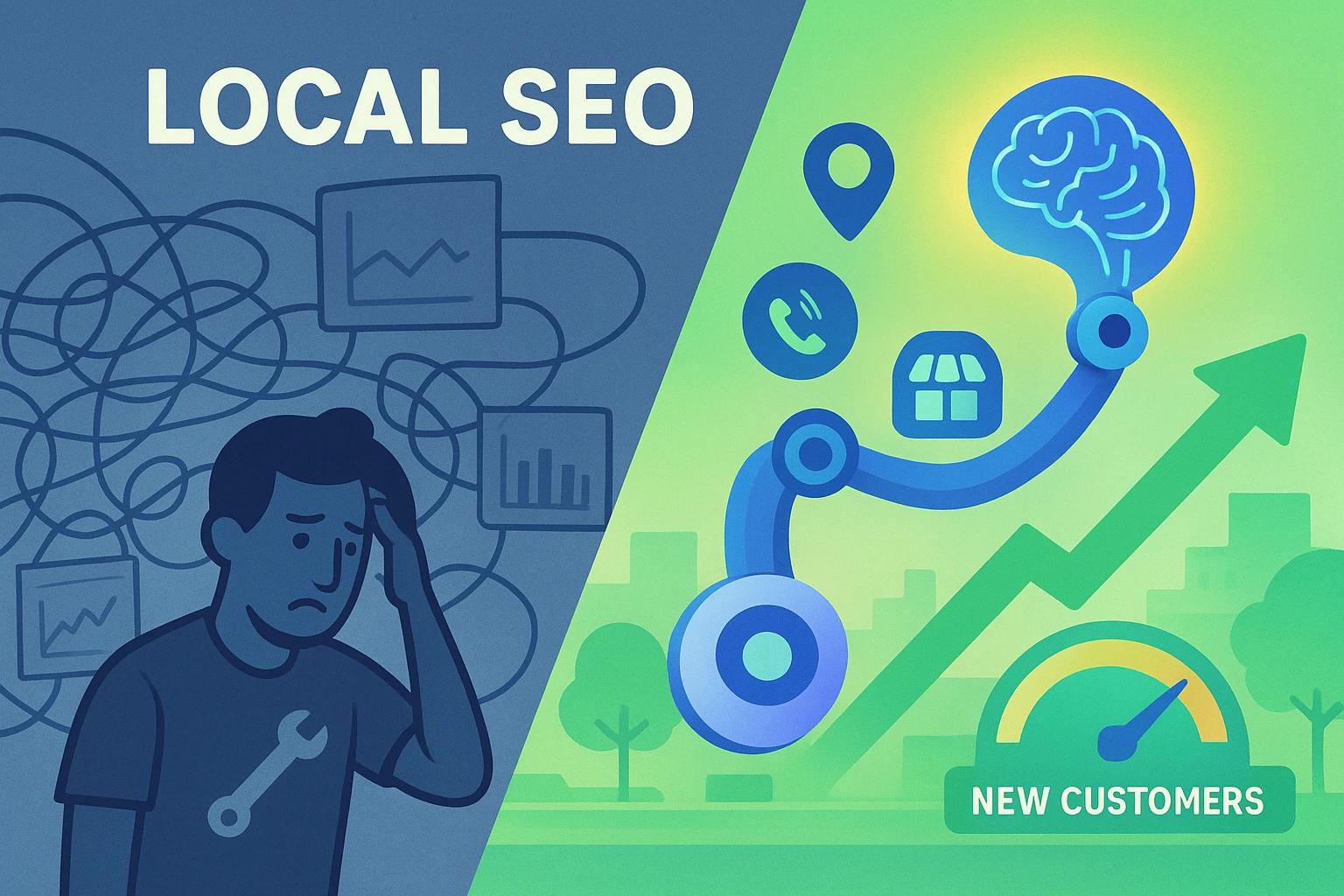
AI SEO for Local Business Your Guide to Getting Found Without Getting Overwhelmed
Discover how AI makes local SEO easy and consistent to get more customers without spending hours or hiring expensive agencies.
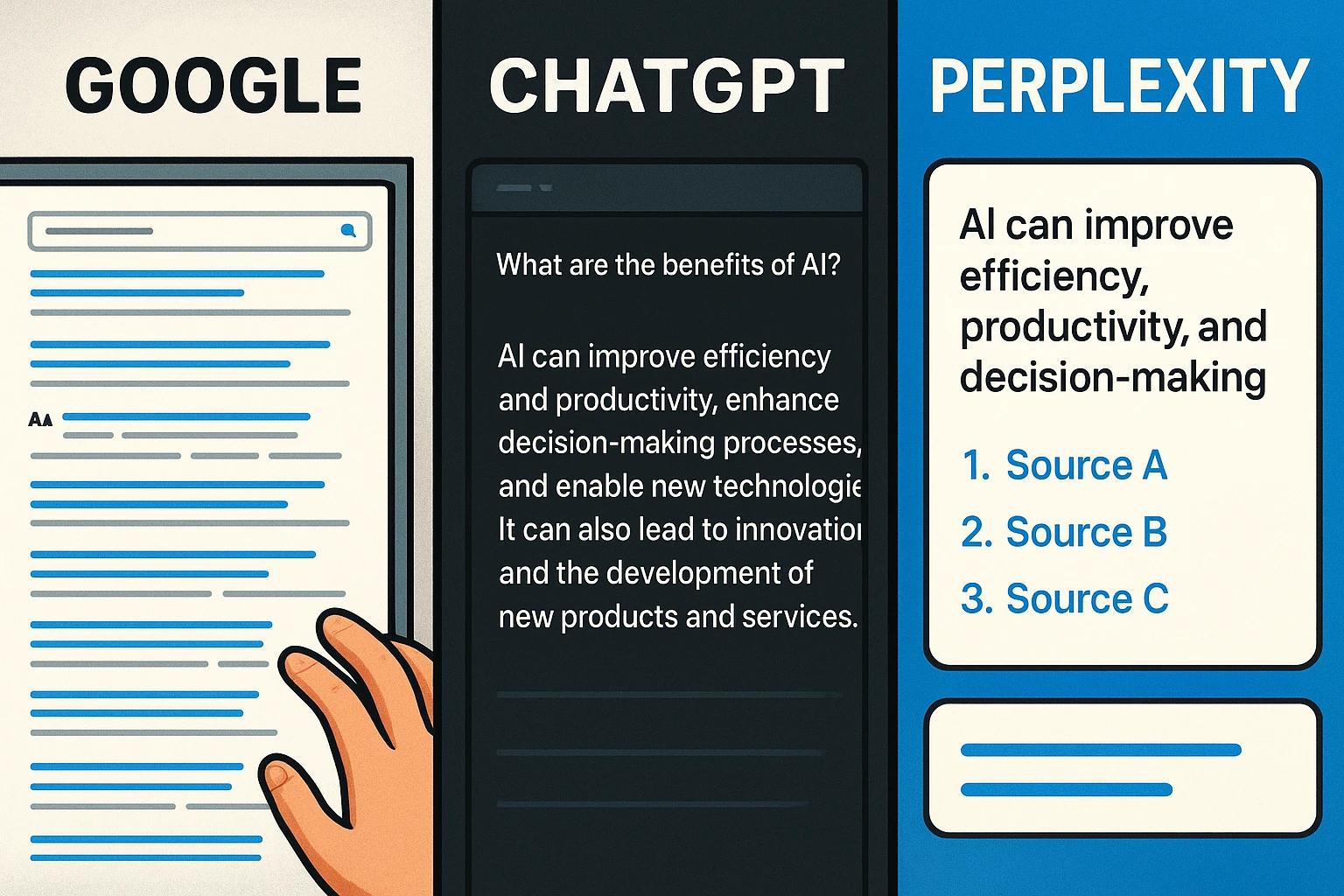
What Perplexity Is and How It Differs from Google and ChatGPT
Learn how Perplexity AI offers sourced answers unlike Google or ChatGPT for clearer, verifiable information discovery.
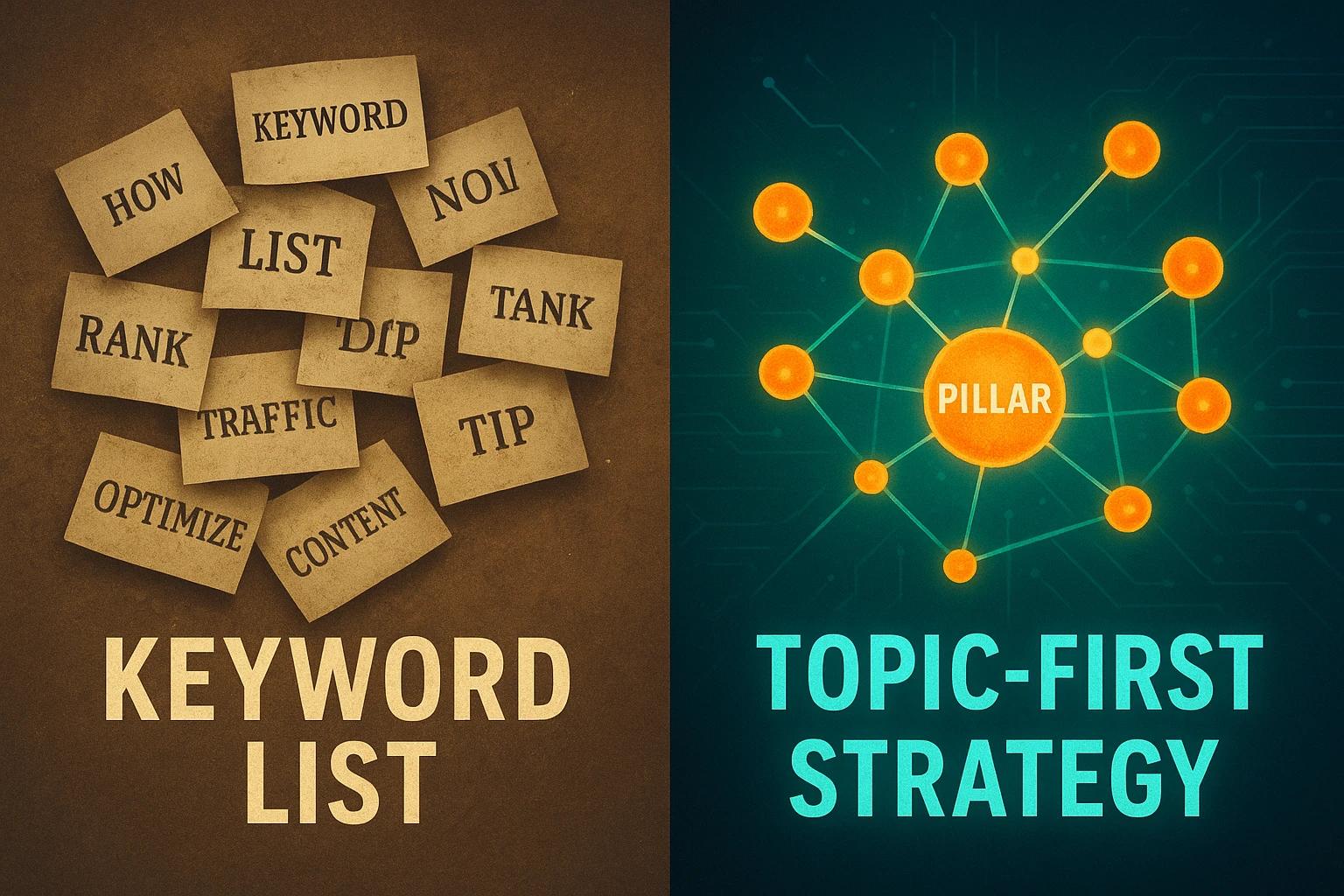
Topic-First Content Strategy for AI-Driven Search
Discover why focusing on topics over keywords drives SEO success in AI-powered search environments.