Why Frequent Publishing Boosts AI Content Visibility

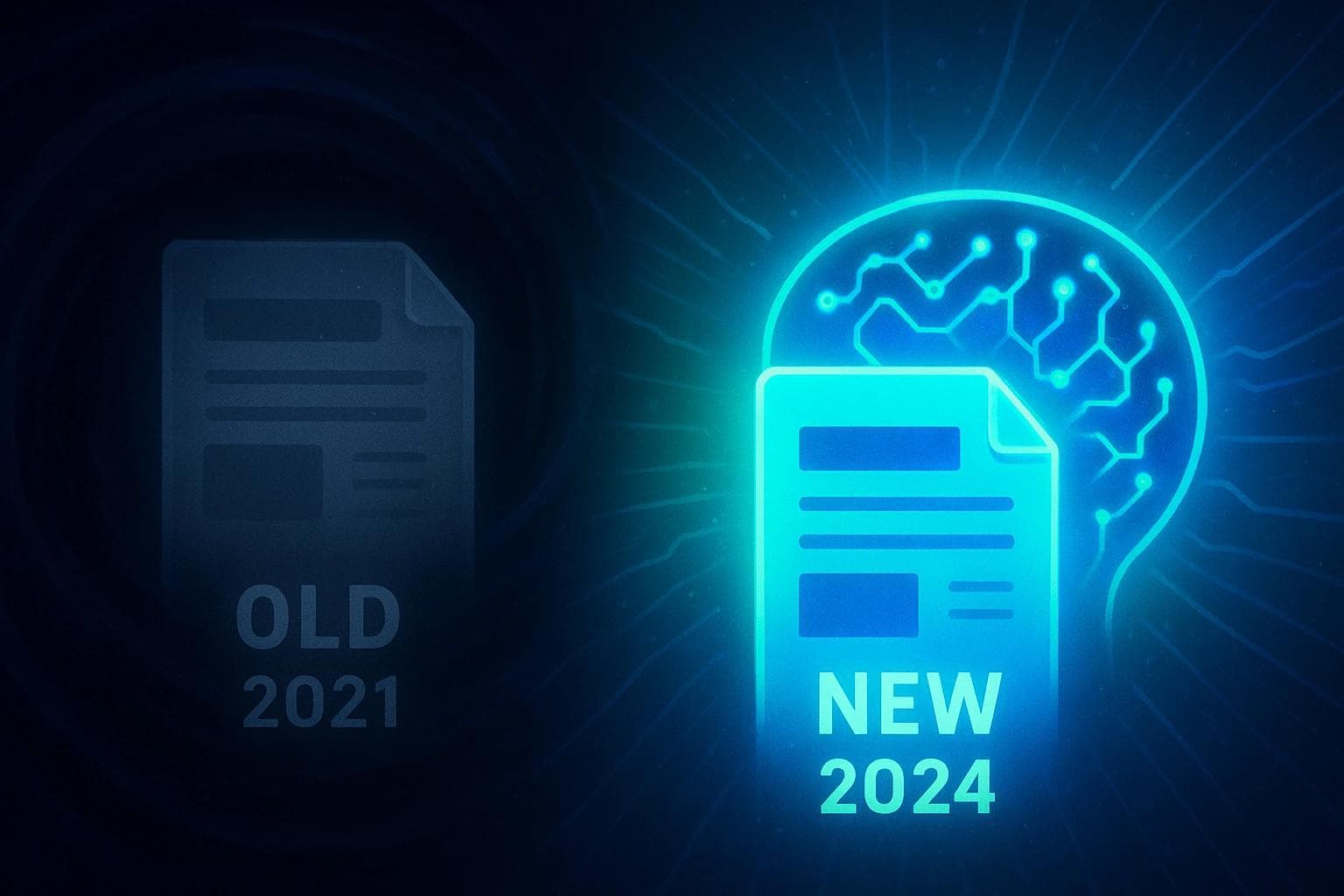
Is Your Content Invisible to AI? The Surprising Truth About Freshness and Recency
You’ve poured hours into creating a fantastic blog post. It’s insightful, well-written, and perfectly answers a question your audience is asking. You hit publish, and for a while, it does great. But as weeks turn into months, you notice something strange. Your content is nowhere to be found in the answers from AI assistants like ChatGPT or Google’s AI Overviews.
It feels like your work has vanished into a digital black hole. What’s going on?
You’re not imagining it. The world of online visibility has changed, and AI has a strong preference for what’s new. In fact, one groundbreaking study by Seer Interactive found that a staggering 65% of AI bot hits target content that was published in just the past year.
If your content strategy is still "set it and forget it," you're likely becoming invisible to a rapidly growing source of traffic and discovery. But don't worry. Understanding why this happens is the first step to fixing it. This guide will walk you through the concepts of freshness and recency, showing you how to ensure your content doesn't just get published—it gets seen.
What Do We Mean by 'Freshness' in the AI Era?
Let’s start with a simple coffee-chat explanation. Imagine an AI is like a brilliant researcher tasked with answering a question right now. They have access to a massive library (their training data), but much of it is from a few years ago. To give you the most accurate, current answer, they need to check the "new arrivals" section first. That’s your content.
Content Freshness is the signal that your content is up-to-date, relevant, and reflects the current state of the world. Recency is a measure of how recently your content was published or updated.
AI systems rely on these signals because users expect timely information. An article about the "best social media strategies for 2021" is practically ancient history. AIs know this and will favor a piece updated last month. This isn't just about the date on the page; AI looks for several clues to determine if your content is truly fresh.

The Secret Language of Freshness: How AI Decides What's New
AI doesn’t just look at your publish date. It’s a sophisticated detective, piecing together clues from three main categories to build a case for your content’s relevance.
### Textual Signals
These are the most obvious clues embedded directly in your content.
- Dates in the Title or Headings: "2024 Guide to…"
- References to Current Events: Mentioning recent industry news or updates.
- Updated Statistics and Facts: Swapping out old data for new research.
- Changelogs: A simple "Last updated on…" note can be a powerful signal.
### Technical Signals
These are the behind-the-scenes signals you send to search engines and AI crawlers.
- Last-Modified Date: The date your server tells crawlers the file was last changed.
- Sitemap Updates: Regularly submitting an updated sitemap tells crawlers there's new or refreshed content to index.
- Significant Page Changes: AI can tell the difference between fixing a typo and adding three new paragraphs with a video. Substantive changes matter more.
### Behavioral Signals
This is how humans interact with your content, providing social proof of its freshness.
- New Backlinks: When other fresh articles start linking to your page, it signals renewed relevance.
- Increased User Engagement: A spike in traffic, comments, or social shares on an older post after an update tells AI that something new and valuable has been added.
The Lifecycle of AI Visibility: From Hot Topic to Forgotten Page
Every piece of content you publish goes through a natural lifecycle. Understanding this cycle helps you know when to intervene and breathe new life into your work. This is often called "knowledge decay"—the process by which information becomes less accurate and relevant over time.
- Launch: You publish a new piece. It gets indexed and starts appearing in search and AI answers.
- Growth: As it gains traction, links, and shares, its visibility grows.
- Plateau: The content reaches its peak visibility, consistently driving traffic.
- Decay: The world moves on. New competitors emerge, statistics become outdated, and your content’s freshness signals fade. Its visibility slowly declines.
But it doesn't have to end there. There's a fifth, crucial stage:
- Resurgence: By strategically updating the content with new information, you send fresh signals to AI systems, pulling it out of decay and launching a new growth cycle.

It's Not Just About Being New, It's About Being Right
Here’s the "aha moment" many people miss: AI doesn't just want the newest content; it wants the most trustworthy and relevant current information.
This is a critical distinction. Simply changing the date on a blog post without making meaningful updates is a trick that AI systems have learned to ignore. In fact, it can even hurt your credibility.
Think of it this way: Would you trust a medical website that just changed the date on a 2018 article, or one that added new sections citing 2024 research studies? The answer is obvious.
Strategic updates that improve the quality, accuracy, and comprehensiveness of your content are what truly signal freshness. This reinforces your Expertise, Authoritativeness, and Trustworthiness (E-E-A-T), making your content a prime candidate for citation in AI answers.
A Simple Framework for Keeping Your Content Fresh
So, where do you start? You don't have to update everything all at once. Prioritize your efforts by focusing on content that has the most potential to benefit from a refresh.
Before you update a piece, ask yourself a few questions based on these key factors:
- Business Impact: Does this page directly support a key product or service?
- Organic Performance: Was this page a high-performer that has started to decay?
- Content Age: Is the information more than 1-2 years old?
- Competitive Freshness: Have your competitors published newer, more comprehensive content on this topic?
- Strategic Gaps: Has the topic evolved? Are there new sections or FAQs you could add?
- AI Exposure: Is this a topic that frequently appears in AI-generated answers?

Creating new content while also refreshing old posts is a constant balancing act. Keeping up this cadence can feel like a full-time job, which is why automated platforms like fonzy ai are emerging to help businesses manage the entire content lifecycle, from creation to optimization, ensuring a steady stream of fresh, relevant material.
Frequently Asked Questions (FAQ)
### What is content freshness in the context of AI?
It’s a collection of signals (textual, technical, and behavioral) that tell AI systems your content is up-to-date, accurate, and relevant to the current moment. It goes beyond just the publication date.
### Does publishing more often guarantee my content will appear in AI answers?
Not necessarily. Frequency helps, as it gives AI more fresh content to sample. However, quality is the most important factor. One high-quality, substantively updated article is far more valuable than five low-effort, superficial posts. Freshness and quality work together.
### How do I know when a piece of my content is 'stale'?
Look for these signs: declining organic traffic, outdated statistics or screenshots, broken links, or new, more comprehensive articles from competitors outranking you. If the information no longer fully reflects the current reality of the topic, it's likely stale.
### Should all my content be updated constantly?
No. Content needs vary. A news article or a report on market trends is highly time-sensitive. An evergreen "how-to" guide on a stable topic (like how to tie a tie) needs far less frequent updates. The key is to understand the nature of your topic and update it as needed to maintain its accuracy and authority.
Your Next Step: From Freshness to Full-Scale Visibility
Understanding and acting on content freshness is no longer optional—it's a fundamental part of being visible online. By shifting your mindset from "publish and pray" to "publish and nurture," you send powerful signals to AI systems that your content is a reliable, current, and valuable resource worthy of being shared.
Once you've mastered the art of keeping your core content fresh, the next logical question is: how do you scale? Because the more high-quality, fresh articles you have on your site, the more opportunities you create for AI to discover and feature your expertise. This increased volume, built on a foundation of freshness, is the key to dominating your niche in the new age of AI-driven discovery.
Roald
Founder Fonzy — Obsessed with scaling organic traffic. Writing about the intersection of SEO, AI, and product growth.
Stop writing content.
Start growing traffic.
You just read about the strategy. Now let Fonzy execute it for you. Get 30 SEO-optimized articles published to your site in the next 10 minutes.
No credit card required for demo. Cancel anytime.
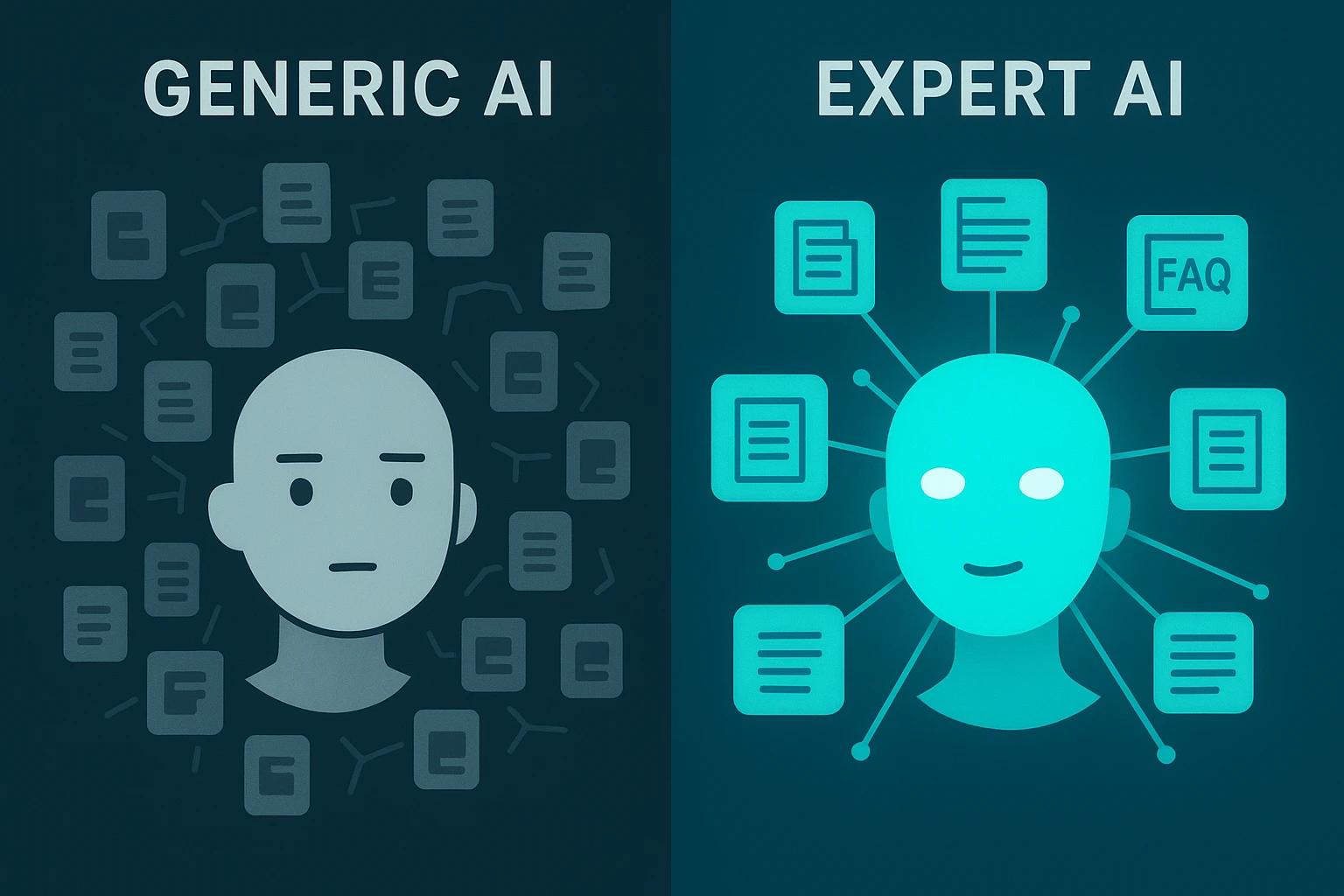
How Repetition Helps AI Learn and Reinforce Your Expertise
Learn why strategic repeated content helps AI understand and trust your unique expertise without hurting SEO.
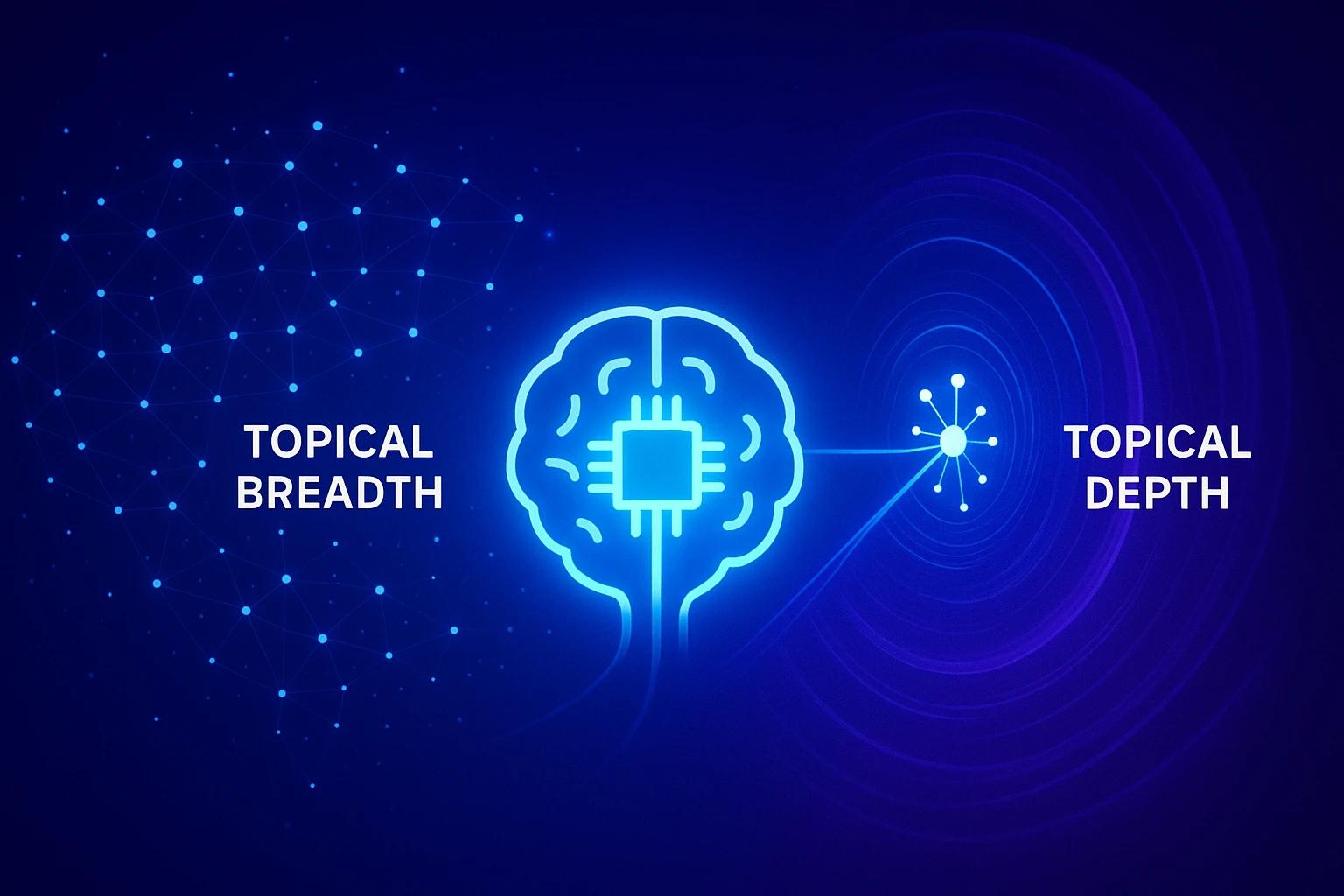
Topical Breadth vs Depth How Coverage Influences AI Answers
Learn how balancing topical breadth and depth helps your content get cited by AI answer tools and build authority.
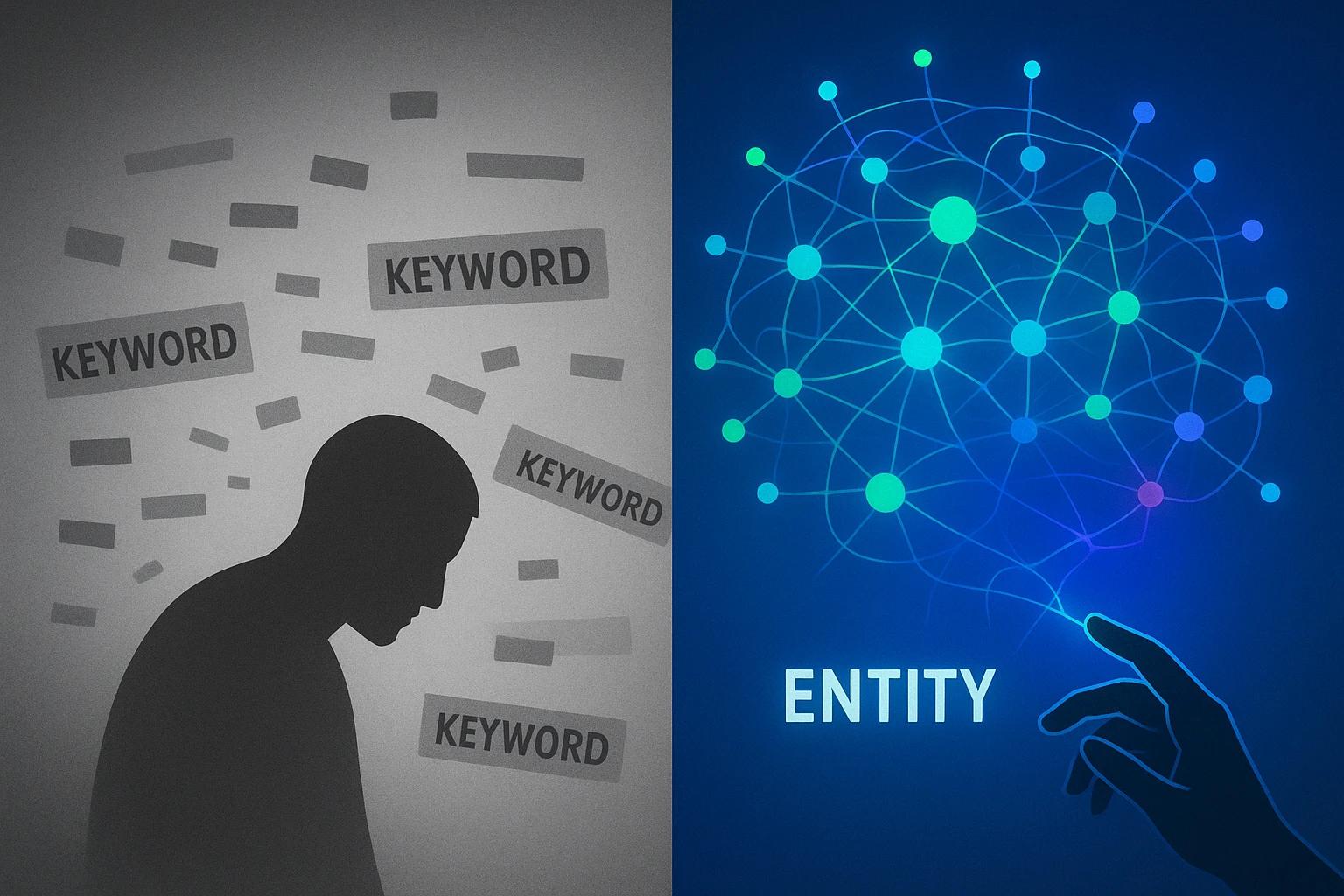
Building topical authority that AI and search engines trust
Learn how to shift from keywords to entities and build the expertise AI and search engines recognize and trust.