Entity Building with Content for Better Recognition

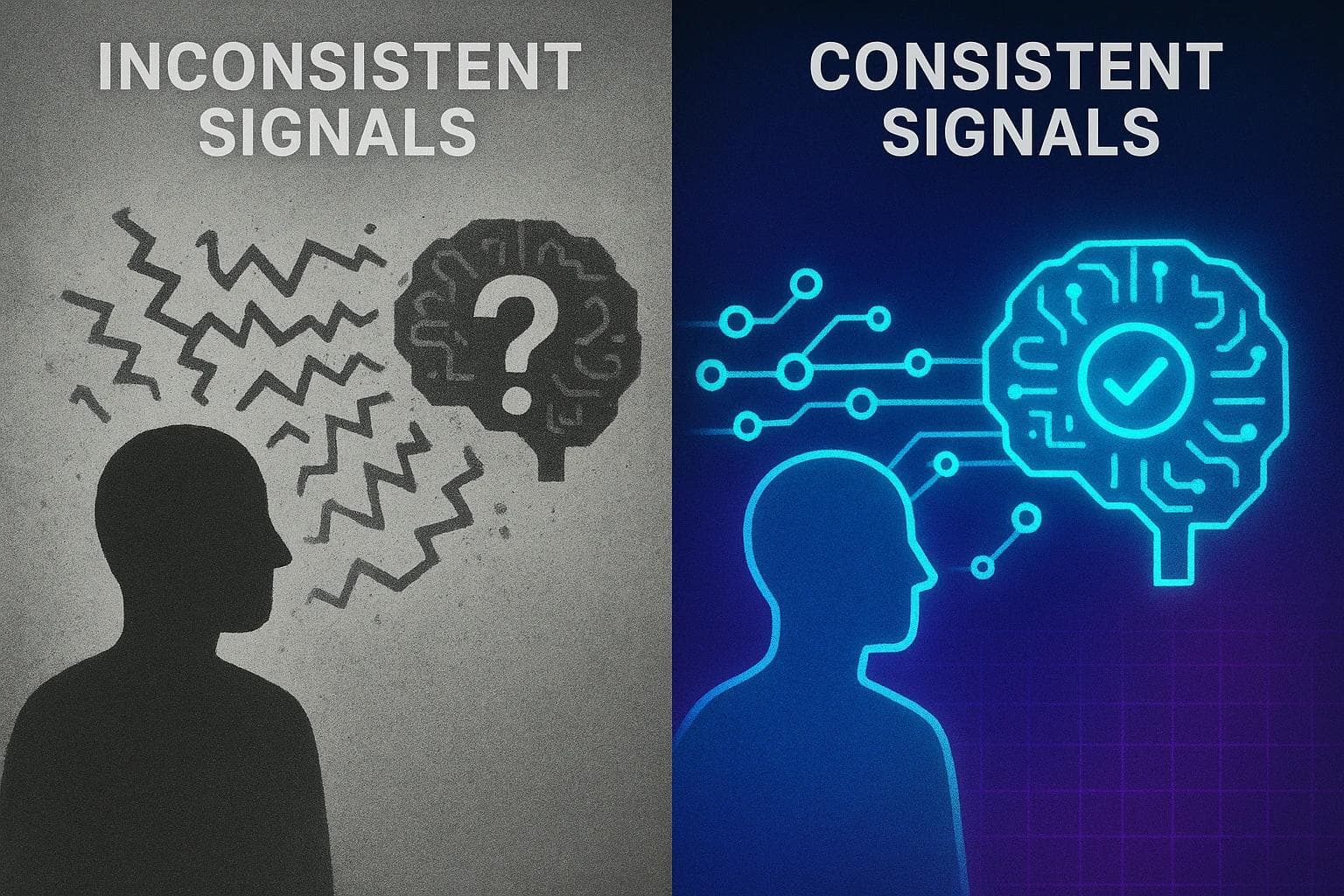
Entity Building with Content: How Consistent Mentions Create Recognizable Signals
Ever feel like you're creating fantastic content, but it's just not getting the recognition it deserves from search engines? You follow all the keyword advice, but it feels like you're speaking a language that Google and other AI-powered search tools don't fully understand.
Here’s a little secret: you might still be thinking in terms of "strings," while search engines have evolved to think in terms of "things."
This is the fundamental shift behind entity building. It’s about moving beyond just matching keywords to helping AI understand who you are, what you do, and why you’re an authority on a topic. It's how you teach the internet to recognize your brand not as a collection of words, but as a distinct, real-world concept.

The Foundation: What Are Entities and Topical Clusters?
Before we can build anything, let's get our key terms straight. Think of it as gathering your tools before starting a project.
What are Entities? Moving Beyond Keywords
For years, SEO was about keywords—the specific words or "strings" people typed into a search bar. If you wanted to rank for "gourmet coffee beans," you'd use that exact phrase on your page.
An entity, on the other hand, is a specific, well-defined "thing" or concept. It could be a person (Steve Jobs), a place (the Eiffel Tower), a brand (Nike), or a concept (organic chemistry).
Imagine you're talking to a friend about "Apple." A keyword-focused AI might get confused. Are you talking about:
- The fruit?
- The tech company?
- Gwyneth Paltrow's daughter?
An entity-focused AI understands the context. It connects "Apple" to related entities like "iPhone," "Tim Cook," and "Cupertino" to realize you mean the company. As Search Engine Land's definitive guide notes, Google uses entities to disambiguate and understand the real world. For your business, the goal is for your brand, products, and key people to become recognized entities.
What are Topical Clusters? Organizing Your Expertise
If entities are the specific concepts, topical clusters are how you organize them to show the breadth and depth of your knowledge.
Pioneered as a concept by HubSpot, a topical cluster is a content strategy where you create a central "pillar" page on a broad topic and then link out to multiple "cluster" pages that cover related, more specific subtopics in detail.
- Pillar Page: A comprehensive guide, like "The Ultimate Guide to Digital Marketing for Coaches."
- Cluster Content: Detailed articles on subtopics, such as "Email Marketing for Coaches," "Social Media Strategy for Consultants," and "SEO Basics for Service Providers," all linking back to the pillar page.
This structure does two things brilliantly: it provides a great user experience by organizing information logically, and it sends a powerful signal to search engines that you are an authority on the entire topic, not just a few isolated keywords.
The AI Connection: How Consistency Builds Recognizable Signals
So, you have your entities (your brand, your service) and a plan to organize them with topical clusters. Now for the most important part: how do you get AI to pay attention?
The answer is consistency.
Search engines and AI models like those used in Google's search and AI answers are constantly building a massive digital encyclopedia of the world, often called a Knowledge Graph. They learn by reading billions of documents and connecting the dots.
Every time you mention your brand and its key attributes in a clear, consistent way, you are giving the AI another clear, unambiguous fact to add to its encyclopedia entry about you. One mention is a hint. A thousand consistent mentions across your website, social media, and other online properties become a recognized truth.

Creating Your Brand's "Entity Blueprint"
For a new or growing business, you can't wait for AI to figure you out. You need to be proactive. You can start by creating an "Entity Blueprint" for your brand.
Step 1: Define Your Core Entity
Be crystal clear about the main "thing" you want to be known for. Is it your company? A specific product? You as a founder?
- Bad: We are a solutions provider.
- Good: "Brandify" is a marketing consultancy for local bakeries.
Step 2: List Its Key Attributes and Relationships
What are the defining characteristics and connections of your entity?
- Name: Brandify
- Type: Marketing Consultancy
- Founder: Jane Doe
- Specialty: Local bakeries
- Core Service: The "Sweet Success" marketing plan
Step 3: Weave It Consistently Into Your Content
Now, use this blueprint everywhere. The goal isn't to stuff keywords but to use natural, descriptive language that consistently reinforces your entity.
- About Page: "Brandify, a marketing consultancy founded by Jane Doe, specializes in helping local bakeries thrive…"
- Service Page: "Our 'Sweet Success' marketing plan is Brandify's signature service for local bakeries…"
- Blog Post Intro: "Here at Brandify, we've helped dozens of local bakeries with their marketing. Today, we're sharing…"
This disciplined approach ensures that every piece of content reinforces the same core message. Over time, AI-driven platforms like Fonzy AI can help automate the creation of content that consistently adheres to your entity blueprint, scaling your efforts to build authority much faster.
The Impact: From a Confusing Whisper to a Clear Shout
When your entity mentions are inconsistent, you send mixed signals. AI has to work harder to figure out who you are, which reduces its confidence in your authority.
When your mentions are consistent, your signal is strong and clear. AI can easily connect your content, understand your expertise, and confidently present you as a reliable source. This digital confidence is a key component of what Google calls E-E-A-T (Experience, Expertise, Authoritativeness, and Trustworthiness).

Your First Steps Toward Building Your Entity
Thinking in terms of entities isn't a short-term hack; it's a long-term strategy for building a resilient, authoritative online presence. It’s how you ensure your brand gets found in Google and AI answers by being understood at a conceptual level.
Ready to start? Don't try to overhaul everything at once. Begin with a simple "Consistency Audit" of your five most important website pages. Ask yourself:
- Do we describe our company the same way on our homepage and our about page?
- Is our founder's name and title mentioned consistently?
- Are our core services named and described with the same language?
By cleaning up your own digital house first, you begin the powerful process of sending clear, recognizable signals that will establish your brand as a trusted entity for years to come.
Frequently Asked Questions
What's the difference between an entity and a keyword?A keyword is a string of words (e.g., "best running shoes"). An entity is the actual concept or thing itself (e.g., the specific shoe model Nike Air Zoom Pegasus). Search engines are getting better at understanding the entity behind the keyword.
Can a small business become a recognized entity?Absolutely. You don't need a Wikipedia page to be an entity in Google's eyes. By consistently creating high-quality, focused content around your niche, you teach Google that your business is a relevant entity for that specific topic.
How long does it take to build a recognized entity?It's a marathon, not a sprint. Building authority and trust takes time. Consistent effort over 6-12 months can start to produce noticeable results as search engines process your signals and see you as a reliable source of information on your topic.
Is this just about repeating the same phrases over and over?No, this is not keyword stuffing. It's about using natural, descriptive language that is consistent in its meaning. You can vary your wording, but the core attributes of your entity (who you are, what you do, who you serve) should remain clear and constant.
Roald
Founder Fonzy — Obsessed with scaling organic traffic. Writing about the intersection of SEO, AI, and product growth.
Stop writing content.
Start growing traffic.
You just read about the strategy. Now let Fonzy execute it for you. Get 30 SEO-optimized articles published to your site in the next 10 minutes.
No credit card required for demo. Cancel anytime.
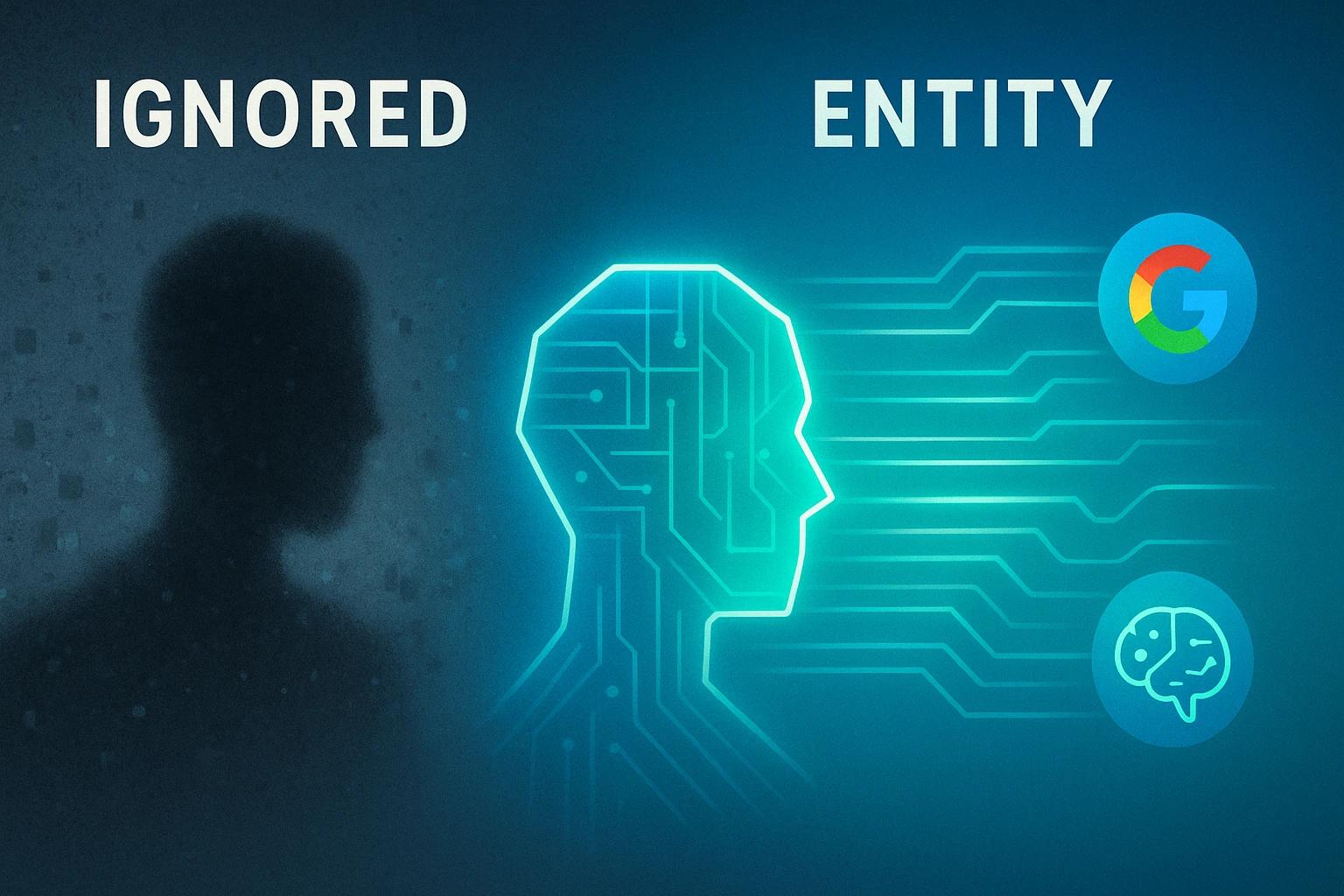
Entity Building 101 How to Become a Trusted Web Source
Learn the basics of turning people products and concepts into trusted recognized web entities for better search visibility
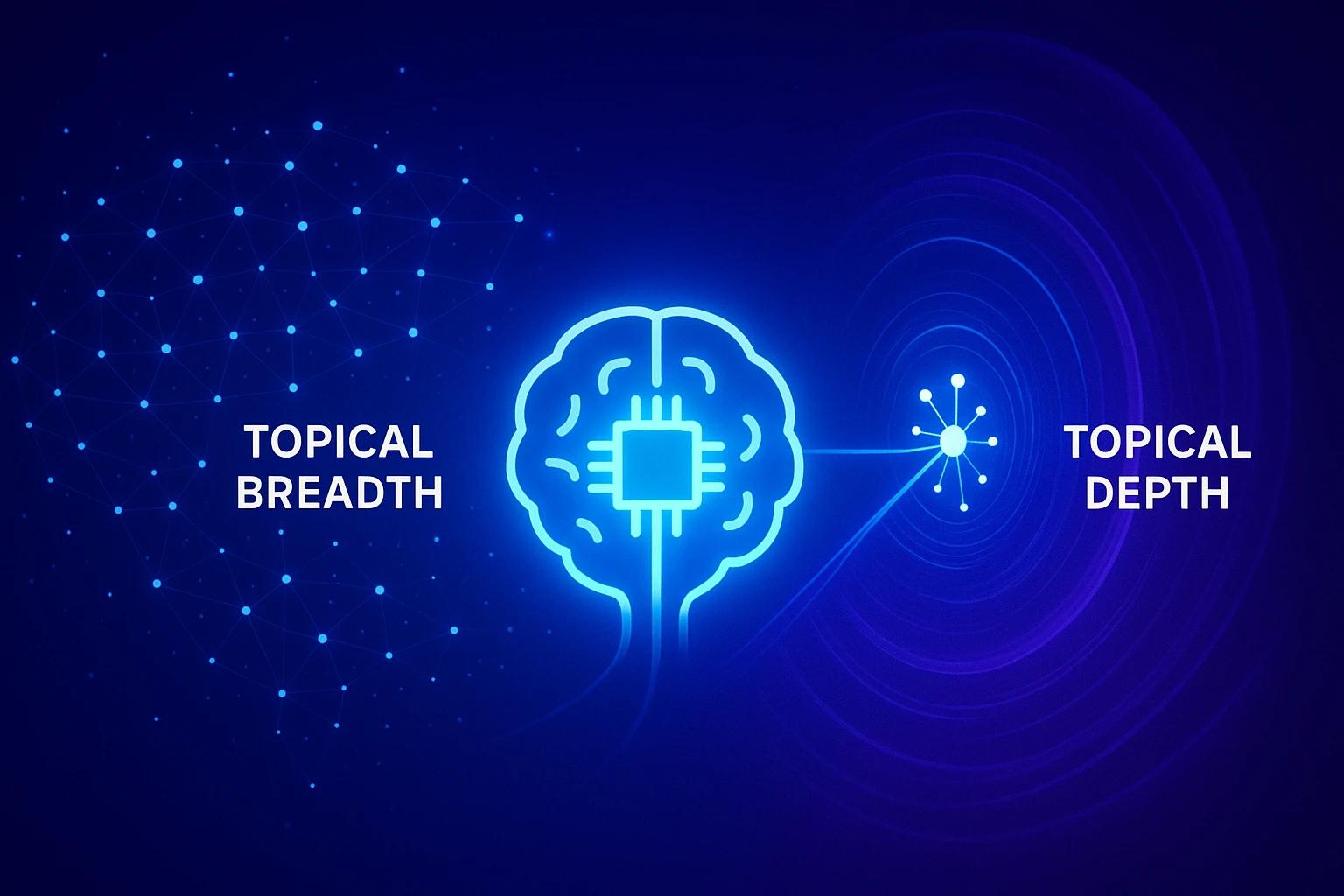
Topical Breadth vs Depth How Coverage Influences AI Answers
Learn how balancing topical breadth and depth helps your content get cited by AI answer tools and build authority.
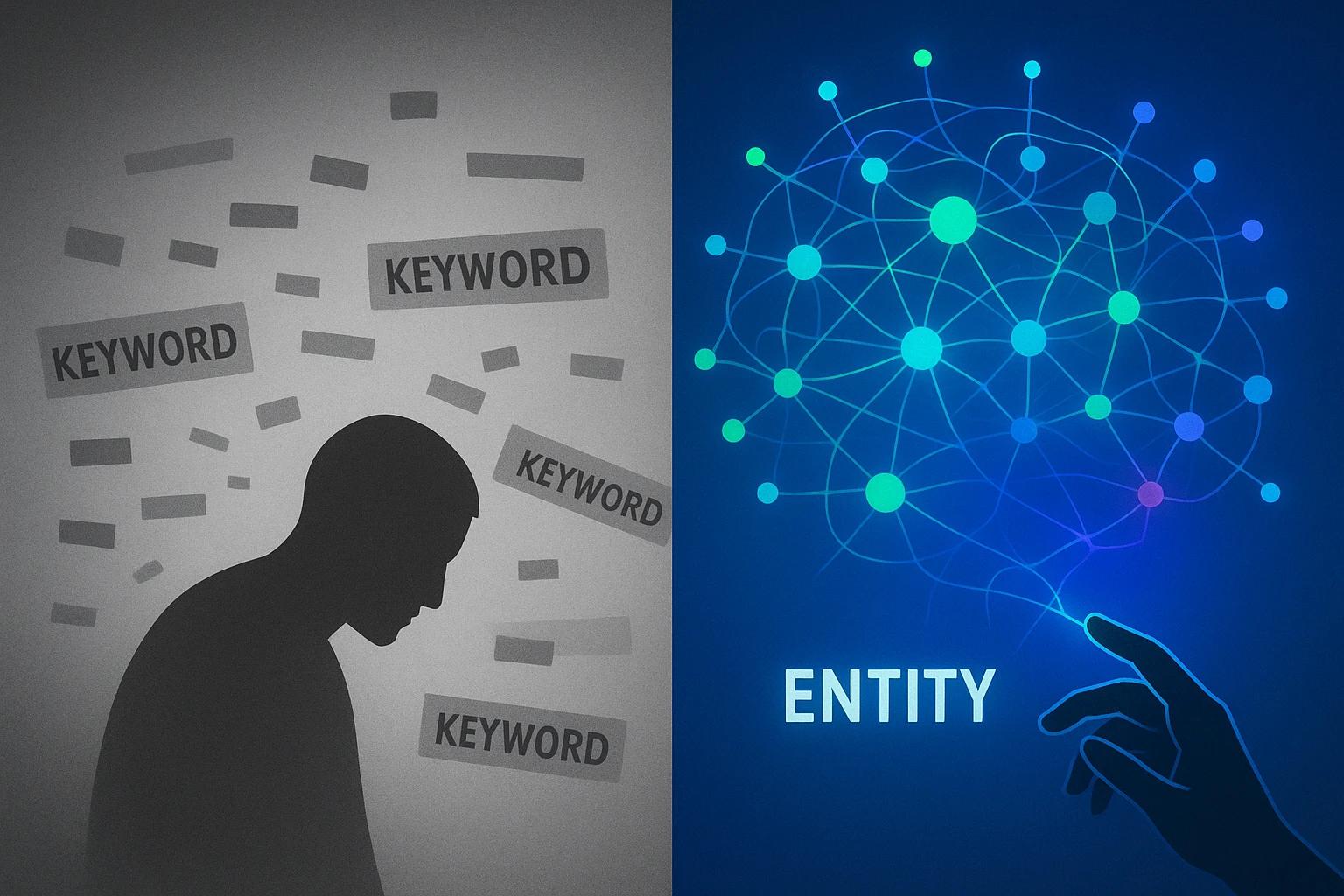
Building topical authority that AI and search engines trust
Learn how to shift from keywords to entities and build the expertise AI and search engines recognize and trust.